

Jean Toomer
USA
Prose that shifts between poetic, incantatory fragments and stark documentary realism: Georgia's red soil and gospel cadences rendered with a modernist's formal daring.
Toomer was born in Washington, D.C., to a family prominent enough in the capital's small Black elite that as a light-skinned child he moved between Black and white schools depending on the neighborhood, an early lesson in how thin America's racial categories actually were, one his fiction would spend a career interrogating. A brief 1921 teaching stint at a Georgia industrial school, immersing him in a rural Black South utterly unlike Washington, supplied Cane's raw material.
Cane, published in 1923, braided prose sketches, poems, and a closing play into a single wrenching arc from rural Georgia to urban Washington and back, and critics from Waldo Frank to later scholars have called it modernism's first great work of African American fiction. Toomer, though, increasingly rejected the racial label put on the book and on him.
He spent the following decades pursuing Gurdjieff's mystical teachings, promoting an identity beyond race entirely, and publishing little else of consequence. He died in Pennsylvania in 1967, largely estranged from the literary movement Cane had helped launch.
Their books in the atlas
- 1923
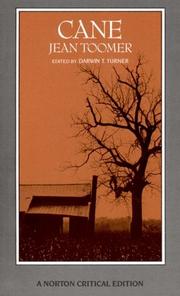 CaneLvl 6modernist
Meanwhile, elsewhere
 1879–1970E. M. ForsterEnglandWestern Europe · England
 1890–1979Jean RhysUnited Kingdom / DominicaWestern Europe · United Kingdom / Dominica
 1885–1970François MauriacFranceWestern Europe · France
 1891–1974Pär LagerkvistSwedenWestern Europe · Sweden
 1892–1975Ivo AndrićYugoslavia / BosniaRussia & Eastern Europe · Yugoslavia / Bosnia
 1893–1977Miloš CrnjanskiSerbiaRussia & Eastern Europe · Serbia
If you like Toomer, try
 1889–1948Claude McKayJamaica / USAshared movement: The Harlem Renaissance & After · kindred genres: modernist · same region & era
 1891–1960Zora Neale HurstonUSAshared movement: The Harlem Renaissance & After · same region & era
 1891–1964Nella LarsenUSAshared movement: The Harlem Renaissance & After · same region & era
 1908–1960Richard WrightUnited Statesshared movement: The Harlem Renaissance & After · same region & era
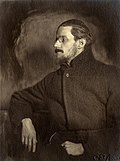 1882–1941James JoyceIrelandkindred genres: modernist, short story collection · neighboring movements
 1892–1982Djuna BarnesUnited Stateskindred genres: modernist · neighboring movements · same region & era