

John Steinbeck
United States
Plain, muscular sentences with a naturalist's eye for landscape and labor: biblical cadences applied to migrant workers, ranch hands, and the poor.
Steinbeck grew up in Salinas, California, and worked as a ranch hand, surveyor, and fruit picker among the migrant laborers he later wrote about, dropping in and out of Stanford without finishing a degree. His close friendship with the marine biologist Ed Ricketts shaped his ecological, unsentimental view of human behavior and produced Cannery Row.
The Grapes of Wrath, based on his own reporting on Dust Bowl migrant camps, won the Pulitzer Prize in 1940 and was investigated by the FBI, which suspected him of communist sympathies for decades afterward. He served as a war correspondent in Europe during the Second World War and later covered Vietnam as an aging supporter of the war, a position that cost him standing among younger readers.
He won the Nobel Prize in Literature in 1962, married three times, and died in New York in 1968.
Lines of influence
No ancestors recorded: a headwater.
Their books in the atlas
- 1937
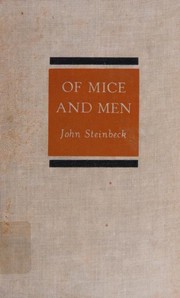 Of Mice and MenLvl 3tragedy
 - 1939
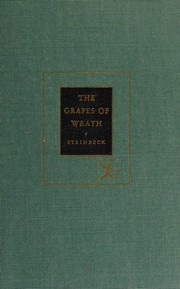 The Grapes of WrathLvl 5epic
 - 1945
 Cannery RowLvl 3comedy
 - 1947
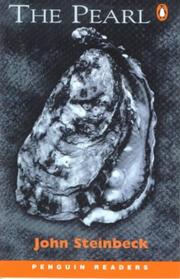 The PearlLvl 2philosophical novel
 - 1952
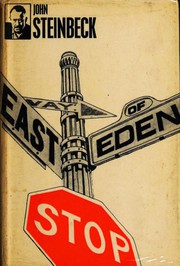 East of EdenLvl 5family saga
 - 1961
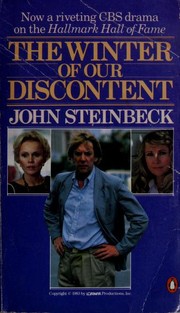 The Winter of Our DiscontentLvl 5psychological novel
Meanwhile, elsewhere
 1879–1970E. M. ForsterEnglandWestern Europe · England
 1890–1979Jean RhysUnited Kingdom / DominicaWestern Europe · United Kingdom / Dominica
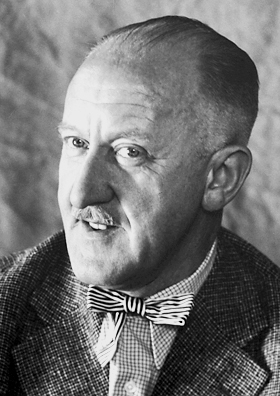 1902–1998Halldór LaxnessIcelandWestern Europe · Iceland
 1885–1970François MauriacFranceWestern Europe · France
 1891–1974Pär LagerkvistSwedenWestern Europe · Sweden
 1901–1976André MalrauxFranceWestern Europe · France
If you like Steinbeck, try
 b. 1955Barbara KingsolverUSAshaped by Steinbeck · kindred genres: family saga, political novel · same region & era
 b. 1940Mahmoud DowlatabadiIranshaped by Steinbeck · kindred genres: family saga, tragedy
 1905–1984Mikhail SholokhovRussiaboth shaped Dowlatabadi · kindred genres: family saga, epic
 1926–1992Richard YatesUSAkindred genres: family saga, tragedy · same region & era
 1902–1991Isaac Bashevis SingerPoland / United Stateskindred genres: philosophical novel, tragedy · same region & era
 1909–2001Eudora WeltyUnited Stateskindred genres: family saga, tragedy · same region & era