
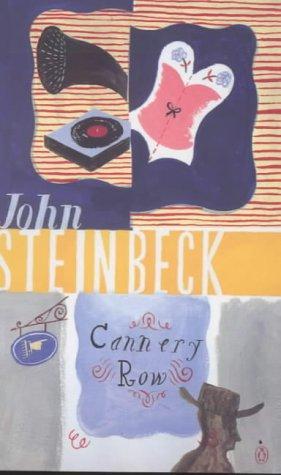
Cannery Row
John Steinbeck · 1902–1968 · United States
Why it matters
A marine biologist, a genial band of bums, and a Monterey sardine-cannery street get an episodic, affectionate portrait instead of a plot. Steinbeck's warmest book finds dignity in the drifters the Depression left behind.
At a glance
Loosely linked episodic vignettes in plain, affectionate prose read quickly.
Deep dive
Why a marine biologist gets not one but two attempts at a surprise party from the genial bums who live on his street, and what the difference between the two says about how Steinbeck thought community actually worked.
Written for readers who have finished the book. No plot recap, and nothing here is safe to read first.
Themes & symbolism
Cannery Row has almost no plot in the conventional sense, a deliberate choice Steinbeck makes explicit in the opening pages, comparing the book's structure to the tide pools its central character studies: something that holds many small, separate lives in one place without forcing them into a single narrative current. Doc, a marine biologist modeled closely on Steinbeck's real friend and collaborator Ed Ricketts, collects specimens for a living and functions, without ever asking for the role, as Monterey's unofficial doctor, banker, and confessor to everyone from the grocer Lee Chong to the madam Dora Flood.
Mack and the boys, a loosely organized group of men with no fixed jobs and no interest in acquiring any, occupy the novel's moral center more than its comic relief: Steinbeck insists, through Doc's own reflections, that their refusal of productive employment isn't failure but a kind of clear-eyed sanity, a rejection of the striving that the Depression had just finished punishing everyone else for anyway. The book's warmth comes from taking that argument seriously rather than treating Mack's crew as picturesque local color.
Ed Ricketts's Real Lab on the Real Row
Ricketts ran an actual marine biology supply business on Cannery Row, and Steinbeck's portrait of Doc, his classical records, his beer-drinking hospitality, his tide-pool philosophy of accepting what is rather than what should be, draws on years of the two men's real collaboration and friendship. The novel functions partly as Steinbeck's tribute to a way of thinking he credited with shaping his own fiction, is-thinking, Ricketts called it, observing a thing exactly as it presents itself before reaching for any larger moral.
The Second Party, Done Right
Mack and the boys throw Doc a surprise party meant as pure gratitude and destroy his lab in the process, turning their generosity into the worst night of his year; the novel's back half is essentially their attempt to make amends by throwing the party correctly the second time. Steinbeck structures the doubling as forgiveness made concrete rather than merely stated: community, in this book, isn't a feeling but a repeated, fallible practice that eventually gets it right.
The last seal: what actually happens, and why it lands the way it does.
The ending, explained
The second party succeeds where the first one failed, and Steinbeck stages it as pure, unqualified celebration: the whole street turns out, the frog-hunting expedition that funds it pays off, and even Doc, usually the one absorbing everyone else's need, gets an evening built entirely around him. Nothing is resolved in the sense of a plot problem being solved, because the novel never posed one; the party simply confirms what the book has been arguing all along, that Cannery Row's drifters, misfits, and small businesspeople constitute a working community on their own terms, whether or not that community would register as one anywhere else.
Where to go next
 John Steinbeck · 1937Of Mice and MenLvl 3Fast paced
 John Steinbeck · 1939The Grapes of WrathLvl 5Medium pace
 John Steinbeck · 1947The PearlLvl 2Fast paced
 John Steinbeck · 1952East of EdenLvl 5Medium pace
 John Steinbeck · 1961The Winter of Our DiscontentLvl 5Medium pace
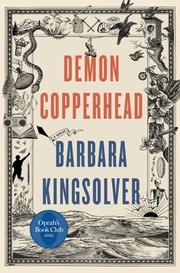 Barbara Kingsolver · 2022Demon CopperheadLvl 4Fast paced