

Pär Lagerkvist
Sweden
Austere, almost Biblical prose stripped of ornament, parable-shaped sentences that ask unanswerable questions and refuse to supply comfort.
Lagerkvist grew up in a strict pietist household in Växjö whose faith he broke from early, though its questions (belief, guilt, the reality of evil) never left his work. As a young writer in Paris before the First World War he absorbed Cubism and other new movements, and his 1913 manifesto Verbal Art and Pictorial Art helped import literary modernism into Sweden; he spent the interwar decades writing poetry, plays, and increasingly parable-like fiction.
Barabbas, the criminal freed instead of Christ, distilled his lifelong theological unease into a short, austere novel that became his best-known work internationally. He won the Nobel Prize in Literature the following year, 1951, and continued writing spare philosophical fiction (including The Sibyl and The Dwarf) into his final decades.
Their books in the atlas
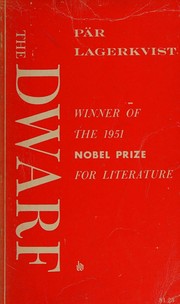
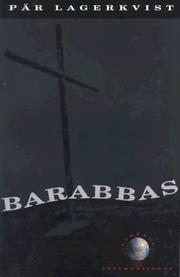
Meanwhile, elsewhere
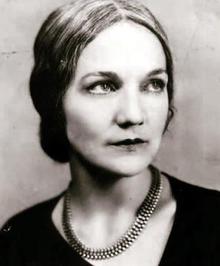 1890–1980Katherine Anne PorterUnited StatesNorth America · United States
 1891–1980Henry MillerUnited StatesNorth America · United States
 1892–1975Ivo AndrićYugoslavia / BosniaRussia & Eastern Europe · Yugoslavia / Bosnia
 1892–1982Djuna BarnesUnited StatesNorth America · United States
 1893–1977Miloš CrnjanskiSerbiaRussia & Eastern Europe · Serbia
 1892–1973Pearl S. BuckUnited States / ChinaNorth America · United States / China
If you like Lagerkvist, try
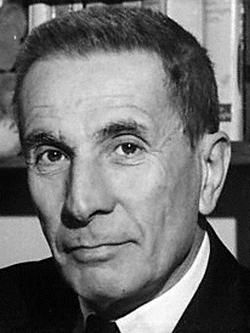 1906–1972Dino BuzzatiItalyshared movement: Existentialism & the Absurd · kindred genres: philosophical novel, existentialist · same region & era
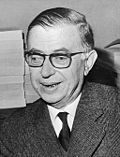 1905–1980Jean-Paul SartreFranceshared movement: Existentialism & the Absurd · kindred genres: philosophical novel, existentialist · same region & era
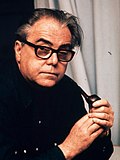 1911–1991Max FrischSwitzerlandshared movement: Existentialism & the Absurd · kindred genres: philosophical novel, existentialist · same region & era
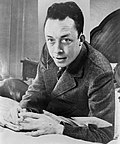 1913–1960Albert CamusAlgeria / Franceshared movement: Existentialism & the Absurd · kindred genres: existentialist, psychological novel · same region & era
 1923–1996Endō ShūsakuJapankindred genres: philosophical novel, psychological novel · neighboring movements
 1880–1942Robert MusilAustriakindred genres: philosophical novel, psychological novel · neighboring movements · same region & era