
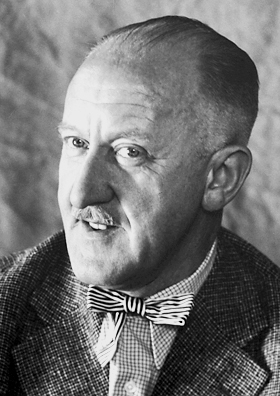
Halldór Laxness
Iceland
Deadpan, saga-inflected irony over hard rural suffering: a narrator's dry wit standing just far enough back from tragedy to make it bearable.
Laxness left school young and by his teens was already publishing; restless and searching, he spent much of the 1920s abroad, converting to Roman Catholicism and living for a time at a Benedictine monastery in Luxembourg before drifting to Hollywood, where failed screenwriting work sharpened him into a fierce critic of American capitalism. He returned to Iceland a committed socialist, visiting the Soviet Union and remaining sympathetic to Communism for decades before growing disillusioned as its abuses became undeniable.
Independent People (1934–35), his saga of a stubborn crofter's ruinous self-reliance, became his international breakthrough and remains Iceland's best-known novel abroad. He went on writing prolifically (sagas, satires, memoirs) across six more decades, and won the Nobel Prize in Literature in 1955, the only Icelander to do so. He died in 1998 after some years living with Alzheimer's disease.
Their books in the atlas
- 1934
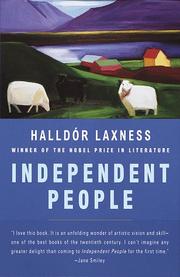 Independent PeopleLvl 6family saga
 - 1957
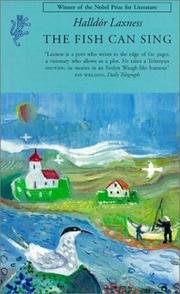 The Fish Can SingLvl 4bildungsroman
Meanwhile, elsewhere


If you like Laxness, try
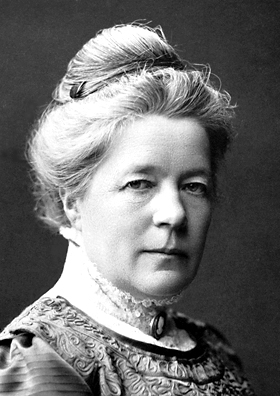 1858–1940Selma LagerlöfSwedenshared movement: The Modern Breakthrough & the Nordic Novel · kindred genres: family saga, bildungsroman · same region & era
 1882–1949Sigrid UndsetNorwayshared movement: The Modern Breakthrough & the Nordic Novel · kindred genres: tragedy, family saga · same region & era
 1888–1964Frans Eemil SillanpääFinlandshared movement: The Modern Breakthrough & the Nordic Novel · kindred genres: tragedy · same region & era
 1859–1952Knut HamsunNorwayshared movement: The Modern Breakthrough & the Nordic Novel · kindred genres: family saga · same region & era
 1912–1985Elsa MoranteItalykindred genres: bildungsroman, family saga · same region & era
 1871–1900Stephen CraneUnited Stateskindred genres: family saga, tragedy · neighboring movements