
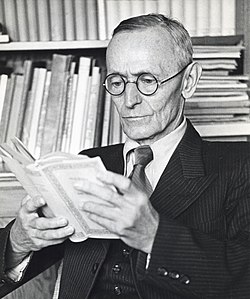
Hermann Hesse
Germany / Switzerland
Lyrical and confessional, spiritual crisis rendered in clear, almost hymn-like prose: restless yearning given a calm, deceptively simple surface.
Hesse was born into a family of Pietist missionaries in Swabia and rebelled early against its strict religiosity: expelled from a seminary at fourteen after running away, and hospitalized following a suicide attempt, an adolescent crisis that left the theme of the divided, self-destructive soul at the center of everything he later wrote. He trained instead as a bookseller in Tübingen and Basel before turning to writing full time.
A committed pacifist, he was vilified in Germany during the First World War for his antiwar essays and eventually settled permanently in Switzerland, taking citizenship there in 1923. In the early 1920s he underwent Jungian analysis, an experience that shaped the interior architecture of Demian and, later, Steppenwolf (1927). Siddhartha (1922) drew on his own family's missionary ties to India and a fascination with Eastern philosophy. He won the Nobel Prize in Literature in 1946 and died in Montagnola, Switzerland, in 1962.
Lines of influence
No descendants recorded, yet.
Their books in the atlas
- 1919
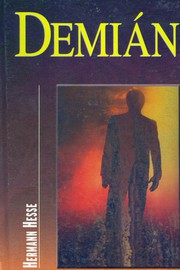 DemianLvl 5bildungsroman
 - 1922
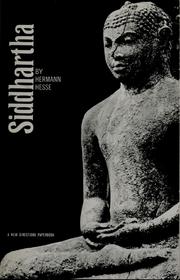 SiddharthaLvl 3philosophical novel
 - 1927
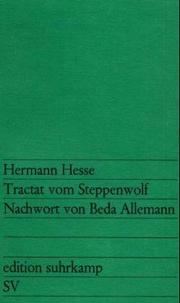 SteppenwolfLvl 6philosophical novel
 - 1930
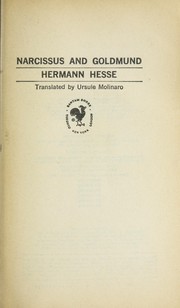 Narcissus and GoldmundLvl 4bildungsroman
 - 1943
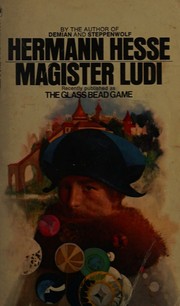 The Glass Bead GameLvl 7philosophical novel
Meanwhile, elsewhere
 1878–1968Upton SinclairUnited StatesNorth America · United States
 1884–1969Rómulo GallegosVenezuelaLatin America · Venezuela
 1884–1964Halide Edip AdıvarTurkeyMiddle East · Turkey
 1870–1953Ivan BuninRussiaRussia & Eastern Europe · Russia
 1886–1965Jun'ichirō TanizakiJapanEast Asia · Japan
 1873–1952Mariano AzuelaMexicoLatin America · Mexico
If you like Hesse, try
 1875–1955Thomas MannGermanyshared movement: High Modernism · both shaped by Goethe · kindred genres: philosophical novel, modernist
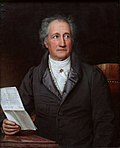 1749–1832Johann Wolfgang von GoetheGermanyshaped Hesse · kindred genres: philosophical novel · both write in German
 1885–1930D. H. LawrenceEnglandshared movement: High Modernism · kindred genres: bildungsroman, philosophical novel · same region & era
 1869–1951André GideFranceshared movement: High Modernism · kindred genres: philosophical novel, psychological novel · same region & era
 1878–1957Alfred DöblinGermanyshared movement: High Modernism · both write in German · same region & era
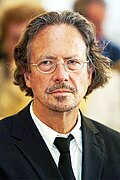 b. 1942Peter HandkeAustriakindred genres: bildungsroman, philosophical novel · both write in German · neighboring movements