

Johann Wolfgang von Goethe
Germany
Stately, aphoristic, endlessly self-quoting: sentences that carry the weight of a whole philosophical system lightly, like conversation.
Goethe trained as a lawyer in Strasbourg and Leipzig, then abandoned the courtroom for the pen after The Sorrows of Young Werther (1774), a novel about a young man's suicidal infatuation, made him famous across Europe within months and reportedly triggered a wave of copycat deaths. He was twenty-four.
At Weimar he became a duke's minister, running mines and theaters and roads for a decade before fleeing to Italy to rediscover himself as a writer. He returned to poetry, botany, optics, and a rivalrous friendship with Schiller, and spent the rest of his life circling Faust, the drama of a man who trades his soul for total knowledge. He finished its second part in 1831, months before he died at eighty-two.
Lines of influence
Their books in the atlas
- 1774
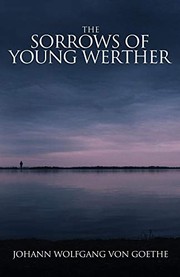 The Sorrows of Young WertherLvl 3epistolary
 - 1808
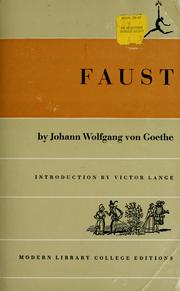 FaustLvl 8tragedy
 - 1809
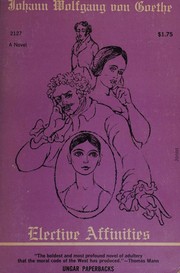 Elective AffinitiesLvl 6philosophical novel
Meanwhile, elsewhere
 1765–1820Nguyễn DuVietnamSoutheast Asia · Vietnam
 1799–1837Alexander PushkinRussiaRussia & Eastern Europe · Russia
 1804–1864Nathaniel HawthorneUnited StatesNorth America · United States
 1809–1852Nikolai GogolUkraine / RussiaRussia & Eastern Europe · Ukraine / Russia
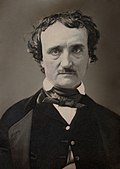 1809–1849Edgar Allan PoeUnited StatesNorth America · United States
 1811–1896Harriet Beecher StoweUnited StatesNorth America · United States
If you like Goethe, try
 1777–1811Heinrich von KleistGermanyshaped by Goethe · shared movement: Romanticism & the Gothic · kindred genres: tragedy
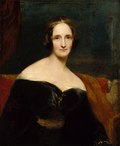 1797–1851Mary ShelleyEnglandshaped by Goethe · shared movement: Romanticism & the Gothic · kindred genres: tragedy
 1771–1832Walter ScottScotlandshaped by Goethe · shared movement: Romanticism & the Gothic · same region & era
 1875–1955Thomas MannGermanyshaped by Goethe · kindred genres: philosophical novel, tragedy · both write in German
 1877–1962Hermann HesseGermany / Switzerlandshaped by Goethe · kindred genres: philosophical novel · both write in German
 1764–1823Ann RadcliffeEnglandshared movement: Romanticism & the Gothic · both shaped Scott · kindred genres: romance