

Miguel de Cervantes
Spain
Warm, garrulous storytelling that keeps interrupting itself (jokes, interpolated tales, sudden switchbacks of perspective) with a current of melancholy running under all the comedy.
Cervantes lived the adventures his hero only imagined: maimed at the naval battle of Lepanto, captured by Barbary pirates, five years a slave in Algiers with four failed escape attempts, then home to prison stints over tangled tax accounts. Don Quixote was begun, by his own account, in jail: a weathered veteran's last bid to sell some pages.
The parody outgrew its target within chapters. Part One (1605) made him famous across Europe without making him rich; a decade later, Part Two answered its own bootleg sequel by folding the fraud into the fiction: characters who have read Part One meet the knight and measure him against his legend. The novel learned to be about itself in its second-ever installment.
He died in April 1616, the same week as Shakespeare, still a step ahead of every experiment the form has tried since.
Lines of influence
No ancestors recorded: a headwater.
Their books in the atlas
- 1585
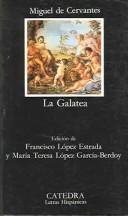 La GalateaLvl 6romance
 - 1605
 Don QuixoteLvl 6picaresque
 - 1613
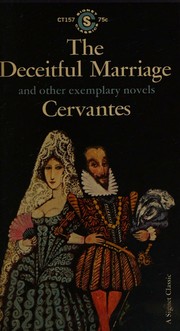 The Exemplary NovelsLvl 5short story collection
 - 1617
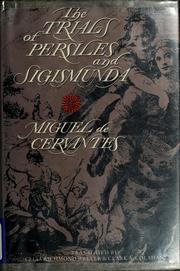 The Trials of Persiles and SigismundaLvl 6romance
Meanwhile, elsewhere

If you like Cervantes, try
 1713–1768Laurence SterneEnglandshaped by Cervantes · shared movement: Birth of the Novel · kindred genres: picaresque, satire
 1667–1745Jonathan SwiftIrelandshaped by Cervantes · kindred genres: picaresque, satire · neighboring movements
 1707–1754Henry FieldingEnglandshaped by Cervantes · kindred genres: picaresque, satire · neighboring movements
 1899–1986Jorge Luis BorgesArgentinashaped by Cervantes · both write in Spanish
 1932–2024Robert CooverUSAshaped by Cervantes · neighboring movements
 1660–1731Daniel DefoeEnglandshared movement: Birth of the Novel · both shaped Dickens · kindred genres: picaresque