
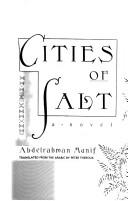
Cities of Salt
Abdul Rahman Munif · 1933–2004 · Saudi Arabia / Jordan
Originally Mudun al-Milh (Arabic) · translated by Peter Theroux
Why it matters
American oil prospectors destroy a desert oasis while a Gulf state sells out its own people to build the new order. The Arabian Peninsula's essential novel of oil-age transformation, banned across much of the Gulf.
At a glance
Sprawling collective narration with no single protagonist tracks a whole society's upheaval.
Deep dive
An oasis nobody in power thinks is worth saving gets bulldozed for an American oil camp in the opening chapters, and Munif spends the rest of the book tracking exactly what a whole way of life turns into once the money starts arriving.
Written for readers who have finished the book. No plot recap, and nothing here is safe to read first.
Themes & symbolism
Wadi al-Uyoun, a lush oasis organized for generations around shared water rights, camel caravans, and subsistence farming, is condemned almost overnight once American surveyors and the Emir's court decide oil lies beneath it. Its residents are given no real say in the matter, and Munif stages the destruction as violence conducted almost entirely through paperwork, trucks, and armed escort rather than through any single dramatic act, which is precisely what makes it so total.
Miteb al-Hathal, the oasis's fiercest holdout, refuses relocation and eventually disappears into the desert rather than accept the company's compensation, becoming over the course of the novel less a character than a rumor: villagers report sightings of him on a white horse for years afterward. Munif lets that legend carry the community's grief for a loss the state that caused it controls the only official record of, turning Miteb into folklore because folklore is the one form of memory the Emir's court cannot revise.
Harran, the boomtown that rises from nothing to house the oil company's compound alongside barracks for imported and local labor, becomes the novel's real subject in its second half. The town is segregated by wage and nationality, its Arab laborers doing the hardest work for the least pay while watching American engineers live behind fences with comforts the rest of Harran has never seen, until strikes and riots erupt against conditions the Emir's court is far more interested in policing than repairing.
Ibn Rashed and the Business of Collaboration
Ibn Rashed, a former neighbor turned labor recruiter for the oil company, embodies the novel's most uncomfortable argument: that the new economy did not simply arrive to exploit Wadi al-Uyoun's people from outside, it also produced local men willing to profit by managing that exploitation from within. Munif refuses to make him a simple villain, showing the same desperation that drove Miteb into the desert driving Ibn Rashed toward the opposite choice, complicity dressed as opportunity.
A Banned Quintet and a Revoked Passport
Cities of Salt is the first of five volumes Munif wrote tracing this same fictional Gulf state's transformation across decades, and Saudi Arabia, where Munif was born and partly raised, has never lifted its ban on the series. The Saudi government stripped Munif of his citizenship over his writing, treating a novel about oil wealth's human cost as a threat closer to unauthorized history than to fiction, an assessment the book's unflinching detail about court corruption and foreign favoritism does little to contradict.
Where to go next
 Abdul Rahman Munif · 1977EndingsLvl 5Medium pace
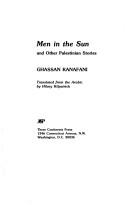 Ghassan Kanafani · 1963Men in the SunLvl 5Medium pace
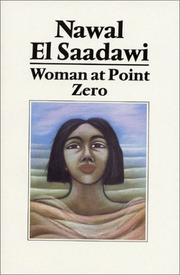 Nawal El Saadawi · 1975Woman at Point ZeroLvl 3Fast paced
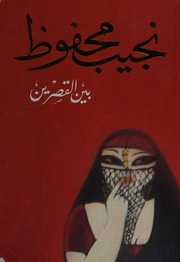 Naguib Mahfouz · 1956Palace WalkLvl 4Medium pace
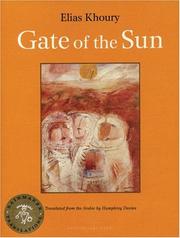 Elias Khoury · 1998Gate of the SunLvl 7Slow burn
 Thomas Mann · 1912Death in VeniceLvl 6Slow burn