

The Seven Moons of Maali Almeida
Shehan Karunatilaka · b. 1975 · Sri Lanka
Why it matters
A murdered war photographer wakes in the afterlife's bureaucracy with seven moons to solve his own killing and steer the living toward the hidden photographs that could expose Sri Lanka's civil war atrocities. A gleefully macabre satire, and winner of the 2022 Booker Prize.
At a glance
A darkly comic afterlife bureaucracy and large ensemble cast demand tracking amid rapid tonal shifts.
Deep dive
A murdered war photographer gets seven days in a bureaucratic afterlife — and the novel turns that gimmick into the sharpest available metaphor for a country that can't stop dying.
Written for readers who have finished the book. No plot recap, and nothing here is safe to read first.
Themes & symbolism
Karunatilaka's afterlife bureaucracy — ghosts filing paperwork, being processed, waiting in queues before 'The Light' — is a direct, savage joke about Sri Lanka itself: a state whose civil war ran on the same mechanisms of delay, denial, and administrative erasure that now govern Maali's death. That Maali can't even get a straight answer about who killed him, in a country where every faction (government death squads, JVP insurgents, Tamil Tigers) has killed people and called it something else, is the novel's central irony rendered literal. The photographs he hid — evidence implicating all sides equally — refuse the comfortable, partisan version of the war that any one faction would prefer, and that refusal is what makes them dangerous enough to get him killed and valuable enough to be worth a ghost's last seven days.
The second-person narration Karunatilaka deploys throughout doesn't just create intimacy; it implicates the reader in Maali's compromises — his gambling, his fixing, his closeted relationship with DD conducted at genuine physical risk in a hostile society — while never letting us fully separate ourselves from him. Maali is not a saint whose murder demands simple outrage; he's a flawed, self-interested man whose one act of integrity (keeping the photographs, refusing to burn them for anyone) turns out to matter more than any of his failures. The crowded afterlife of other war dead, layered around Maali's individual mystery, keeps insisting that his story is one atrocity among thousands, never the exception.
Comedy as survival strategy
Karunatilaka's afterlife is relentlessly, absurdly funny — queue-jumping ghosts, petty bureaucratic rivalries, deities who behave like mid-level civil servants — and that comedy is doing serious work rather than undercutting the horror underneath it. A straight-faced account of Sri Lanka's civil war atrocities would risk numbing readers into the same passive horror that let those atrocities continue unpunished for decades; the absurdist frame keeps the reader alert, off-balance, laughing one moment and sickened the next, which is closer to how people who actually lived through the war have described its texture than any solemn realist treatment could manage. The novel's comic register is itself an argument that black humor was never a way of trivializing the war — it was one of the few tools available for enduring it.
The last seal: what actually happens, and why it lands the way it does.
The ending, explained
Working through dreams and ghostly intermediaries, Maali finally succeeds in guiding DD and Jaki to the hidden photographs, which get smuggled abroad and reach international press and human rights channels — exposing, at least partially, atrocities committed by every side of the war. It's a real victory but a small, costly one: Karunatilaka is careful to show Sri Lanka's political machinery grinding on regardless, unreformed by one photographer's evidence. Maali's own murder is finally tied back to the very photographs he died protecting, closing the loop between his life's one act of integrity and his death. Having done what he could for the living — DD safe, Jaki carrying the truth forward — Maali chooses to let go and enter the Light rather than linger, unfinished business be damned. It's an ending that trades catharsis for something more honest: the dead can't fix the world they left, only pass on what they saw.
Where to go next
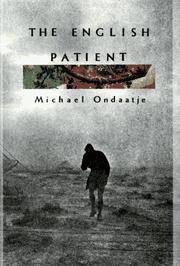 Michael Ondaatje · 1992The English PatientLvl 7Slow burn
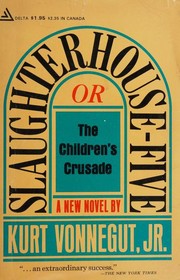 Kurt Vonnegut · 1969Slaughterhouse-FiveLvl 5Fast paced
 Mia Couto · 1992Sleepwalking LandLvl 7Slow burn
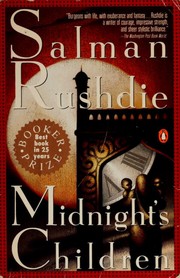 Salman Rushdie · 1981Midnight's ChildrenLvl 8Medium pace
 Kiran Desai · 2006The Inheritance of LossLvl 6Slow burn
 Charles Yu · 2020Interior ChinatownLvl 5Fast paced