
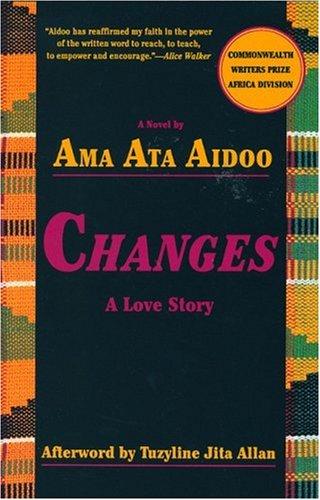
Changes
Ama Ata Aidoo · 1942–2023 · Ghana
Why it matters
A professional Ghanaian woman is torn between the conventional marriage expected of her and her attraction to a man who already has a wife. Aidoo weighs desire and independence against tradition with unsparing, ironic wit.
At a glance
Accessible, dialogue-driven prose focused squarely on one woman's choices.
Deep dive
Esi Sekyi wants a marriage that doesn't cost her the career and independence she's already built, and Aidoo tests exactly how modern a very old arrangement, polygamy, can actually become.
Written for readers who have finished the book. No plot recap, and nothing here is safe to read first.
Themes & symbolism
Esi Sekyi is a successful government statistician who leaves her first husband, Oko, after he forces himself on her in their own bed one night, a violation the novel names plainly even though neither Ghanaian law nor the people around Esi are prepared to call a husband's demand for sex by that word. Aidoo builds the marriage's collapse around that precise gap between what Esi experiences and what her culture has vocabulary for, making Changes a much harder-edged book than its ironic subtitle, A Love Story, initially suggests: this is a novel interested in what happens when a modern woman's inner sense of violation runs ahead of the language available to name it.
Esi's solution, becoming the second wife of the wealthy, frequently absent businessman Ali Kondey, is presented as a calculated bargain rather than a romantic swoon: she reasons that a husband who is rarely home and has another wife to manage domestic expectations will leave her the professional independence Oko never could. Aidoo takes that logic seriously instead of punishing it outright, and the novel's tension comes from watching a genuinely rational plan for personal freedom collide with feelings, jealousy, loneliness, the slow withdrawal of a husband's attention, that no amount of advance calculation can fully manage.
Fusena, Ali's first wife, is given enough interiority that the novel refuses to cast her as either villain or simple victim; her own quiet, more conventionally pious life becomes its own rebuke to the idea that Esi's arrangement represents unambiguous progress for women. Aidoo's real subject is generational and structural rather than personal: Esi's friend Opokuya, juggling a demanding job and an ordinary monogamous marriage to a man who resents her mobility, runs as a constant parallel case, so that the novel keeps testing several different women's compromises against each other rather than holding up any single one as the answer.
A Love Story, Deliberately Misnamed
Aidoo's subtitle reads as bait, promising the genre conventions of romance while delivering a much colder anatomy of what 'choice' actually means for an educated African woman weighing marriage against independence. By the novel's second half, Ali's attention toward Esi has thinned into the same absence that made Fusena's marriage bearable only through resignation, and Esi finds herself newly aware of the guilt she has caused a woman she has scarcely spoken to. The title's changes, plural and unglamorous, turn out to be less about any single dramatic transformation than about how little the basic terms of marriage shift even when every party involved is educated, modern, and acting with total sincerity.
Where to go next
 Ama Ata Aidoo · 1977Our Sister KilljoyLvl 7Slow burn
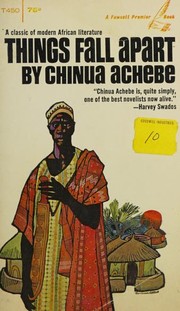 Chinua Achebe · 1958Things Fall ApartLvl 4Medium pace
 Ayi Kwei Armah · 1968The Beautyful Ones Are Not Yet BornLvl 6Slow burn
 Mariama Bâ · 1979So Long a LetterLvl 3Slow burn
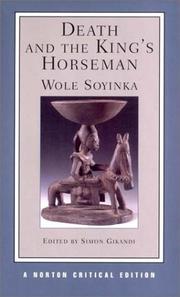 Wole Soyinka · 1975Death and the King's HorsemanLvl 6Medium pace
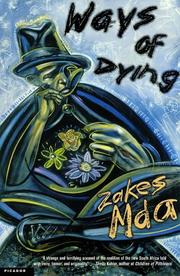 Zakes Mda · 1995Ways of DyingLvl 5Medium pace