
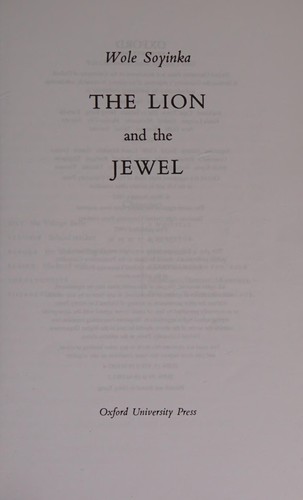
The Lion and the Jewel
Wole Soyinka · b. 1934 · Nigeria
Why it matters
The village belle Sidi is wooed by an aging chief and a preening young schoolteacher in a comic contest between tradition's cunning and progress's vanity. Soyinka's most performed and accessible play, a sly comedy about who really holds the power to seduce.
At a glance
A brisk comic plot and lighter language make this Soyinka's most approachable work.
Deep dive
Sidi has just seen her own beauty printed in a magazine and decided that makes her worth more than either man competing for her, and the village's wiliest old chief sets out to prove her wrong.
Written for readers who have finished the book. No plot recap, and nothing here is safe to read first.
Themes & symbolism
Sidi's beauty, photographed by a visiting stranger and printed in a glossy magazine that circulates back to the village, convinces her she has outgrown Ilujinle and its suitors, including Lakunle, the young schoolteacher who wants to marry her without paying the traditional bride-price, on the grounds that the custom is backward and beneath a modern couple. Soyinka gives Lakunle's modernity almost no substance beneath its vocabulary: his objections to tradition are borrowed wholesale from a Western education he has half absorbed, long on scorn for 'bush' customs and short on anything resembling an actual plan for the village's future.
Baroka, the aging Bale of Ilujinle known as the Lion, wants Sidi for his own household and gets her not through force or wealth but through a deliberate performance of weakness, spreading word that he has become impotent, a claim calculated precisely to draw the vain, curious Sidi to his private chambers to see the great man's decline for herself. Soyinka builds the play's whole comic architecture around that single piece of theater: Baroka's real cunning is inseparable from his willingness to look foolish in public in order to win in private, a strategy neither Sidi's vanity nor Lakunle's borrowed modern ideals ever sees coming.
The play stages its argument as much through mime and dance as through dialogue, a wordless flashback sequence reenacting the arrival of the photographer that lets the audience watch Sidi's vanity take root in real time, and Soyinka uses that theatrical vocabulary to make the case that Baroka's tradition, for all its patriarchal self-interest, still contains a vitality and intelligence that Lakunle's imported modernity, all talk and no bride-price, cannot match on the village's own terms.
Impotence as Strategy, Not Confession
Baroka's fabricated impotence works because everyone around him, Sidi included, is primed to read an aging chief's supposed decline as an opportunity rather than a trap, and Soyinka lets the audience in on the ruse well before Sidi is, turning the seduction scene into dramatic irony rather than surprise. The device does double duty as the play's clearest joke about power: a man who actually holds every advantage in the village still prefers to win by appearing to have none.
The last seal: what actually happens, and why it lands the way it does.
The ending, explained
Sidi goes to Baroka's chambers intending to mock his supposed impotence and instead is seduced and taken as his bride, a reversal Soyinka plays for comedy rather than tragedy, staging Sidi's transformation from scornful visitor to willing wife within a single scene. Lakunle, who spent the whole play refusing to pay bride-price on principle, is left scrambling to offer for Sidi only after Baroka has already won her, and the village turns his belated proposal into open mockery. The play closes on the wedding procession's dance, Soyinka's clearest statement that Baroka's cunning, rooted in and answerable to the community's own traditions, has out-maneuvered Lakunle's imported ideals on every front that actually mattered to Ilujinle.
Where to go next
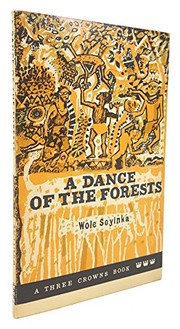 Wole Soyinka · 1960A Dance of the ForestsLvl 8Slow burn
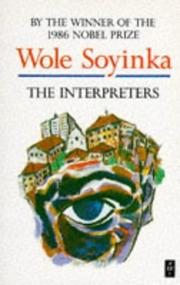 Wole Soyinka · 1965The InterpretersLvl 8Slow burn
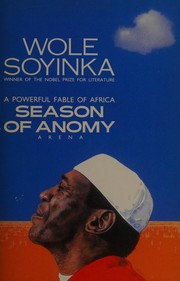 Wole Soyinka · 1973Season of AnomyLvl 8Slow burn
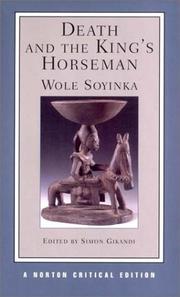 Wole Soyinka · 1975Death and the King's HorsemanLvl 6Medium pace
 Ayi Kwei Armah · 1968The Beautyful Ones Are Not Yet BornLvl 6Slow burn
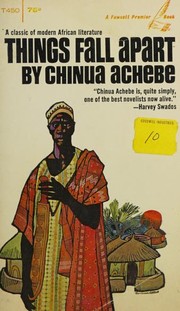 Chinua Achebe · 1958Things Fall ApartLvl 4Medium pace