
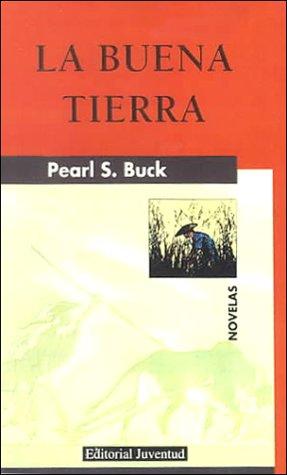
The Good Earth
Pearl S. Buck · 1892–1973 · United States / China
Why it matters
A Chinese farmer's rise from poverty to wealth is shadowed by the moral compromises prosperity demands. An enormous international bestseller that helped introduce Chinese peasant life to Western readers.
At a glance
Plain prose deliberately modeled on oral storytelling.
Deep dive
Wang Lung builds his entire fortune out of a devotion to the land bordering on religion — and Buck spends the whole novel quietly testing whether that kind of faith survives past the generation that needed it.
Written for readers who have finished the book. No plot recap, and nothing here is safe to read first.
Themes & symbolism
Land is the novel's real protagonist: Wang Lung's bond to his fields is closer to faith than economics, the one relationship in the book he never betrays even as he betrays nearly everyone else. Buck sets his rise against the decline of the House of Hwang, the decadent landowning family he eventually buys out field by field — a cyclical structure in which fortune migrates between families while the land itself simply endures, indifferent to who currently claims it. The uncomfortable implication, confirmed in the closing pages, is that Wang Lung's sons are the next House of Hwang in waiting: urbanized, disconnected from soil, already treating the land as capital rather than covenant.
O-lan, Wang Lung's silent, tireless wife, does the uncredited labor that actually builds the family's wealth — bearing his children in the fields between rows of grain, working alongside him through famine and flight, and, during a moment of wartime looting, finding the jewels that fund their first great land purchase — and receives almost nothing for it: once Wang Lung is rich, he takes a concubine, Lotus, and treats O-lan's plainness and bound-foot exhaustion as an embarrassment rather than the price of his own success. Her death lands as belated, insufficient remorse — he asks too late what she wants, and the two pearls he finally gives her are a gesture that only underlines decades of withheld tenderness — the novel's clearest indictment of a prosperity built on a debt its beneficiary never intends to acknowledge, let alone repay.
A Missionary's Daughter's China
Buck grew up in China as the child of American missionaries and wrote from genuinely close observation, which helped make The Good Earth an enormous international bestseller and won her the Nobel Prize in 1938 — the first American woman to receive it. The novel's reception has stayed contested ever since: praised for humanizing Chinese peasant life for Western readers at a moment of real ignorance, and criticized by Chinese intellectuals, then and since, for a paternalistic outsider's lens that still shaped how an entire nation was first popularly imagined abroad.
Locusts and the King James Cadence
Buck's plain, declarative prose deliberately echoes the King James Bible's rhythms — she had translated the Chinese classic Shui Hu Zhuan and absorbed its folkloric, oral-tradition pacing as well — lending Wang Lung's story a scriptural universality that helped it travel so widely outside China in the first place. The locust plague he faces reads as a small Exodus, a communal test of whether faith in the land can survive contact with catastrophe, fought off not through prayer alone but through Wang Lung's stubborn refusal to abandon his fields even as neighbors flee; the novel's answer, undercut later by his own children's plans, is that faith like his rarely survives past one generation once necessity stops enforcing it.
The last seal: what actually happens, and why it lands the way it does.
The ending, explained
Old and wealthy, Wang Lung has become the very landlord he once envied, his family now installed in the House of Hwang's former quarters, yet he still retreats to his original earthen house and his fields whenever he can. Overhearing his modernized, city-minded sons discussing what to do with the land once he's dead, he pleads with them never to sell it; they placate him with easy reassurances while exchanging a knowing glance behind his back. The novel closes on that bitter dramatic irony — the fortune he built on devotion to soil is already being unwound by heirs who never shared it, the House of Hwang's decline quietly set to repeat.
Where to go next
 Edward P. Jones · 2003The Known WorldLvl 6Slow burn
 Giuseppe Tomasi di Lampedusa · 1958The LeopardLvl 6Slow burn
 Wallace Stegner · 1971Angle of ReposeLvl 6Medium pace
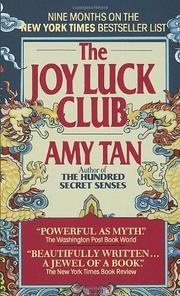 Amy Tan · 1989The Joy Luck ClubLvl 4Medium pace
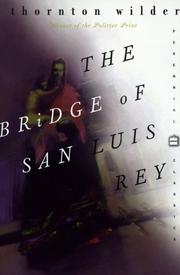 Thornton Wilder · 1927The Bridge of San Luis ReyLvl 4Medium pace
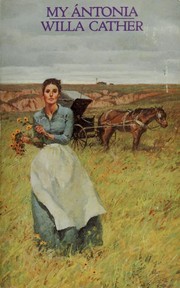 Willa Cather · 1918My ÁntoniaLvl 3Medium pace