
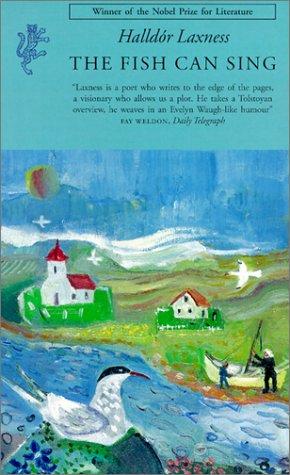
The Fish Can Sing
Halldór Laxness · 1902–1998 · Iceland
Originally Brekkukotsannáll (Icelandic)
Why it matters
An orphan raised by fisherfolk in a turf-roofed Reykjavík cottage dreams of the perfect single note, while a native son returned as a world-famous singer chases something emptier. Laxness's warmest, most autobiographical novel.
At a glance
A gentle, episodic coming-of-age narrative in plain prose.
Deep dive
What a foster child raised on the ideal of one perfect note learns from watching Iceland's first international opera star come home to nothing.
Written for readers who have finished the book. No plot recap, and nothing here is safe to read first.
Themes & symbolism
Álfgrímur grows up not with parents but with foster grandparents, Björn of Brekkukot and his wife, in a turf-roofed cottage that takes in every stray lodger Reykjavík has no other place for. Laxness builds the boy's whole worldview around a single ambition, borrowed from a folk saying about the fish that can sing: he wants, more than fame or wealth, to hit one true, perfectly sung note and then stop, an ideal of sufficiency set directly against every other measure of success on offer in the harbor town growing up around him, a standard no one else in the book even thinks to hold themselves to.
Garðar Hólm, the fisherman's son who left for the Continent and returned billed as the world's greatest tenor, is the novel's counter-example: mobbed at the harbor, feted by dignitaries, and, in the one scene where Álfgrímur actually hears him sing in private, revealed to have a voice that is merely competent, sustained entirely by the town's need for a native genius to be proud of. Laxness is not debunking Garðar so much as exposing what Reykjavík manufactures him to be, a stand-in for a nation's hunger to matter internationally, maintained by people who never once check whether the myth can hold a note.
Brekkukot's Open Door
The cottage takes in a rotating cast of lodgers, from a fish-curing peddler to a half-mad organist, none of them family by blood, and Laxness makes this the novel's real model of Icelandic society: hospitality without hierarchy, a household organized around feeding and sheltering whoever turns up rather than around lineage or wealth. Against Reykjavík's emerging cash economy of harbor merchants and status-hungry burghers, Brekkukot's disorderly generosity reads as a way of life already becoming extinct even as the novel records it.
The Merchant's Offer the Boy Turns Down
Álfgrímur's grandfather insists the boy's future is settled from birth: he will be a fisherman, full stop, and no talk of Copenhagen conservatories will change it. When a wealthy merchant offers to fund Álfgrímur's musical education abroad, exactly the path that made Garðar Hólm, the boy turns it down, and Laxness stages the refusal as clear-eyed rather than tragic: he has already seen, at close range, what that particular ladder costs the man who climbed it.
The last seal: what actually happens, and why it lands the way it does.
The ending, explained
Garðar Hólm dies abroad, in circumstances the novel reports secondhand and unglamorously, no triumphant final tour, and Reykjavík's mourning turns out to be for the myth it built rather than for the man who could never have lived up to it. Álfgrímur, offered the same escape route one last time, chooses to stay in Iceland as a fisherman, content with an ordinary life measured against Garðar's ruinous fame. Laxness ends the novel with the boy's private ambition, one true note sung once and left alone, intact and unbetrayed, the only kind of success in the book that never had to be performed for anyone else.
Where to go next
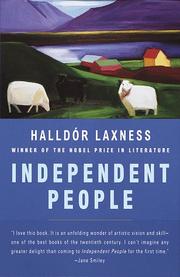 Halldór Laxness · 1934Independent PeopleLvl 6Medium pace
 Selma Lagerlöf · 1891Gösta Berling's SagaLvl 6Medium pace
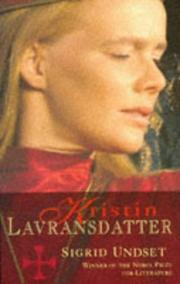 Sigrid Undset · 1920Kristin LavransdatterLvl 6Slow burn
 Frans Eemil Sillanpää · 1931The Maid SiljaLvl 4Medium pace
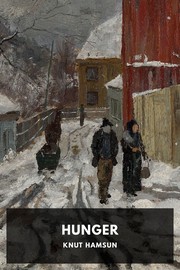 Knut Hamsun · 1890HungerLvl 5Medium pace
 Elsa Morante · 1974History: A NovelLvl 5Medium pace