
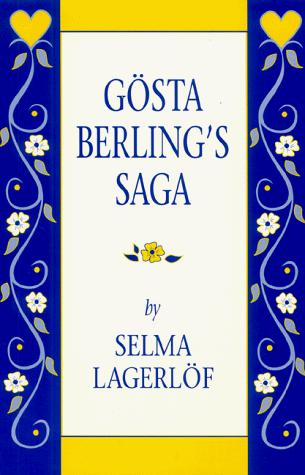
Gösta Berling's Saga
Selma Lagerlöf · 1858–1940 · Sweden
Originally Gösta Berlings saga (Swedish)
Why it matters
A defrocked, charismatic priest drifts through a cycle of linked tales across Sweden's Värmland countryside. Lagerlöf transformed regional folklore into sweeping romantic myth and won Sweden literature's first Nobel Prize.
At a glance
Episodic, folkloric structure loosely strung across many linked tales.
Deep dive
Why Lagerlöf tells her hero's story as a cycle of loosely linked legends rather than one continuous plot, and what that has to do with a folk tale about a year-long bargain struck at a wealthy widow's ironworks.
Written for readers who have finished the book. No plot recap, and nothing here is safe to read first.
Themes & symbolism
Gösta Berling is introduced already ruined — defrocked for drunkenness, taken in out of charity by Margareta Samzelius, the formidable Mistress of Ekeby — and the novel's folkloric premise, that the estate's twelve pensioners have struck a devil's bargain to spend one full year in pure pleasure at Ekeby's expense, is really a myth built around a very unromantic truth: charity without purpose curdles, and charisma without discipline is just another form of self-indulgence. Gösta is the most gifted man in every room he enters and does nothing durable with it, falling in and out of love across the book's linked episodes — with Anna Stjärnhök, with Marianne Sinclaire, with the young Countess Elisabeth Dohna — each romance a fresh demonstration that passion alone, however sincerely felt in the moment, isn't the same thing as devotion.
Lagerlöf sets all of this against a Värmland landscape rendered as active and half-enchanted — lakes, forests, and winter cold that behave like characters, folk belief treated as continuous with the actual events of the plot rather than quaint decoration around them. The cavaliers' wild year at Ekeby, and the ironworks' real decline while they carouse, dramatize a Romantic argument at odds with the grim social realism dominating Scandinavian letters at the time: that redemption is possible, that steadiness and responsibility can be learned even by the most self-destructively charming man alive, but only after excess has burned all the way through.
The First Woman, and the First Swede
Lagerlöf published Gösta Berling's Saga in 1891 as a deliberate rebuttal to the realist and naturalist fiction then dominating Swedish letters — Strindberg's cold psychological warfare, Ibsen's social problem plays — reaching back instead to the oral storytelling of her own childhood at Mårbacka, the family manor she grew up hearing legends about and later worked to buy back after the estate was sold off in hard times. The book's episodic structure, its narrator's direct addresses to the reader, and its treatment of folk superstition as literally true within the story are all part of that reclamation: a romantic, mythic register the era considered old-fashioned, revived with enough conviction to make it feel urgent again.
In 1909 Lagerlöf became the first woman, and the first Swedish writer of any gender, to win the Nobel Prize in Literature — a recognition that retroactively vindicated the gamble this novel took in going against the grain of its moment, and one she achieved while walking with a permanent limp from a childhood hip ailment that had once made her family doubt she'd have any conventional prospects at all.
The last seal: what actually happens, and why it lands the way it does.
The ending, explained
The cavaliers' contracted year of misrule ends the way the legend always said it would: having produced nothing but ruin, dissipation, and the estate's near-collapse, the pact comes due, and only a genuine turn toward responsibility — not another grand romantic gesture — can break it. The Mistress, driven out at the novel's start, returns to Ekeby and forgives the men who took her home out from under her, restoring order less through punishment than through the same quality the cavaliers have spent the whole book lacking: steady follow-through.
Gösta's arc resolves in kind. His feeling for Countess Elisabeth Dohna has run alongside all his other infatuations, but it's the one that survives contact with real difficulty and scandal, and by the end he chooses her not in a burst of passion but as a considered, adult commitment — proof, within the story's own moral logic, that he's finally capable of loving something past the first thrill of it. The estate and its community settle into a chastened, renewed order, and the wild folk-tale energy of the cavaliers' year gives way to an ordinary, hard-won domestic peace, which the novel treats as the harder and more romantic achievement of the two.
Where to go next
 Selma Lagerlöf · 1906The Wonderful Adventures of NilsLvl 3Fast paced
 Bjørnstjerne Bjørnson · 1857Synnøve SolbakkenLvl 3Medium pace
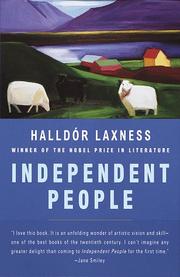 Halldór Laxness · 1934Independent PeopleLvl 6Medium pace
 Karl Gjellerup · 1906The Pilgrim KamanitaLvl 5Slow burn
 Knut Hamsun · 1890HungerLvl 5Medium pace
 Henrik Pontoppidan · 1904Lucky PerLvl 6Medium pace