
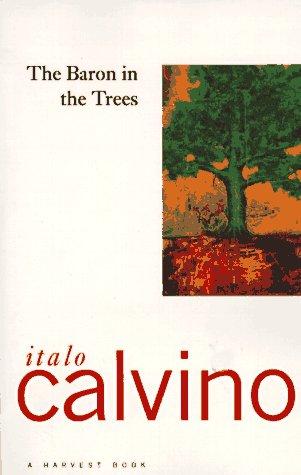
The Baron in the Trees
Italo Calvino · 1923–1985 · Italy
Originally Il barone rampante (Italian)
Why it matters
An eighteenth-century boy climbs into the trees and never comes down, living a full Enlightenment life in the canopy. Calvino's perfect fable of principled distance: lightness as a philosophy of engagement.
At a glance
Fable-like clarity of prose despite its philosophical undercurrent.
Deep dive
Why a boy who vows never to touch the ground again turns exile into the most disciplined form of participation Calvino could invent.
Written for readers who have finished the book. No plot recap, and nothing here is safe to read first.
Themes & symbolism
Cosimo Piovasco di Rondò is twelve years old in 1767 when he refuses a plate of his sister Battista's snails, climbs into a holm oak in the family garden, and announces he will never come down. Calvino stages the refusal as principle rather than tantrum: within a page it becomes the first fully reasoned decision of Cosimo's life, and it holds for the rest of it. The paradox the novel builds from that single act is that withdrawal from ground level turns out to be Cosimo's method of fuller participation, not less: he reads everything, farms his own patch of forest by rope and pulley, organizes a volunteer bucket brigade against fire, and drafts a constitution for an ideal republic he never quite finishes, all without setting one foot on the ground his whole life. Decades later he receives Napoleon himself in the branches for a brief, chilly audience, refusing even an emperor the courtesy of coming down to meet him.
Viola, the girl he loves as a child and loses and regains across three decades, is the one relationship built entirely at canopy height, and the one that tests what the discipline costs. She wants him down, if only once, and his refusal, even for her, is the toll Calvino makes explicit everywhere else only by implication: distance is not aloofness here but a specific, load-bearing form of commitment, running through branches instead of roads, and it can still cost him the person he loves most.
Gian dei Brughi Reads Himself to the Gallows
The bandit Gian dei Brughi hides from the law in Cosimo's branches, and Cosimo repays the shelter by lending him novels, Richardson above all. The outlaw becomes so absorbed in finishing Clarissa that he stops watching for the carabinieri altogether, and is caught, unresisting, mid-chapter. Marched to the gallows, he asks only to know how the book ends; told, he dies satisfied rather than afraid. Calvino uses the episode to settle an argument the whole novel is having with itself: a life spent purely in books is still a trap, just a gentler one than the life Gian dei Brughi escaped.
The last seal: what actually happens, and why it lands the way it does.
The ending, explained
Cosimo grows old in the canopy through the French Revolution and the Napoleonic wars, following both from branches high enough to watch armies pass beneath him, and dies faithful to his vow. In his last minutes he sees a hot air balloon drifting low over the estate, grabs its trailing rope, and is carried out over the sea, gone from the story entirely rather than shown falling or descending. His brother Biagio, the narrator, can report no burial and no grave, only the family's empty inscription for a body that was never recovered. Calvino refuses Cosimo the one compromise a deathbed usually forces, contact with the ground, and turns disappearance into the last, logical extension of a vow kept for sixty years.
Where to go next
 Italo Calvino · 1972Invisible CitiesLvl 5Slow burn
 Italo Calvino · 1979If on a winter's night a travelerLvl 6Medium pace
 Orhan Pamuk · 1998My Name Is RedLvl 7Medium pace
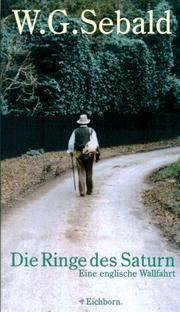 W. G. Sebald · 1995The Rings of SaturnLvl 7Slow burn
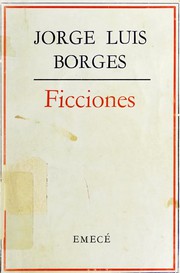 Jorge Luis Borges · 1944FiccionesLvl 7Slow burn
 Roberto Bolaño · 1998The Savage DetectivesLvl 7Medium pace