
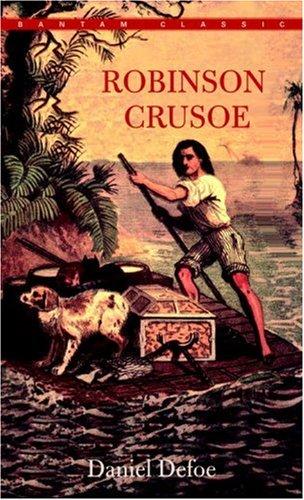
Robinson Crusoe
Daniel Defoe · 1660–1731 · England
Why it matters
Often called the first English novel: a castaway's meticulous, first-person account so persuasive many readers took it for fact. Its inventory-keeping realism (and its colonial shadow, in Friday) set arguments still running today.
At a glance
Plain diary-like prose, though eighteenth-century syntax and pacing can feel dense.
Deep dive
The castaway logbook is also a Puritan conversion narrative in disguise, and its 'first novel' realism was a deliberate hoax on its first readers.
Written for readers who have finished the book. No plot recap, and nothing here is safe to read first.
Themes & symbolism
Crusoe's island years follow the shape of a Puritan spiritual autobiography laid over an adventure plot: a willful son defies his father's advice (the 'original sin' of going to sea), is punished by shipwreck, and only slowly, through illness and solitary Bible-reading, arrives at something like repentance and providential acceptance. Defoe never lets the reader forget this frame — Crusoe reads every storm and stroke of luck as a message from God, and the book's real drama is theological bookkeeping as much as survival.
That bookkeeping impulse doubles as the novel's other obsession: property. Crusoe's compulsive inventories — of salvaged goods, of days, of goats and grain — build an identity out of ownership and accounting long before there's anyone to own or account to. When Friday arrives, Crusoe's instinct is not fellowship but management: he names him, teaches him a hierarchy of address ('Master'), and never once considers the island or its prior inhabitants as anything but his to allocate. The gratitude Defoe stages — Friday saved from cannibals, therefore bound to serve — is the same logic that justified plantation slavery, and Crusoe's own fortune, revealed at the end, turns out to have been earned by exactly that system all along.
Even the famous footprint scene works on both registers at once. Crusoe's terror at finding a single print in the sand is staged as pure survival dread, but it also marks the moment his solitary kingdom stops being uncontested — the possibility of another claimant to the island, human or otherwise, is more frightening to him than the prospect of starving alone ever was, because it threatens the ownership his whole identity has been rebuilt around.
The hoax that founded a genre
Defoe published the book with no author's name, framed as Crusoe's own edited manuscript, and many first readers took it as travel fact rather than fiction — the meticulous dates, tallies, and dry procedural detail (how to bake bread with no oven, how to fence a cave) are a realist technology invented specifically to make invention look like documentation. The trick worked so well it spawned an entire genre: the 'Robinsonade,' every stranded-survivalist story since, from Swiss Family Robinson to Cast Away, inherits Crusoe's inventory-realism and, less comfortably, its assumption that an empty-seeming land is there to be improved, itemized, and ruled.
The last seal: what actually happens, and why it lands the way it does.
The ending, explained
After nearly three decades alone, Crusoe helps suppress a mutiny aboard a ship that anchors near the island, and the grateful (or cornered) captain gives him passage home in exchange. Back in England he discovers his Brazilian plantation was maintained in trust all along and has made him rich — the ultimate providential payoff, confirming the theology he'd worked out in isolation. It's a tidy ending precisely because it has to be: the whole book has argued that suffering is never random, so Crusoe must be rewarded in the same ledger-keeping terms he's used throughout, wealth as visible proof of grace.
Where to go next
 Daniel Defoe · 1722Moll FlandersLvl 5Medium pace
 Miguel de Cervantes · 1605Don QuixoteLvl 6Medium pace
 Laurence Sterne · 1759The Life and Opinions of Tristram Shandy, GentlemanLvl 9Slow burn
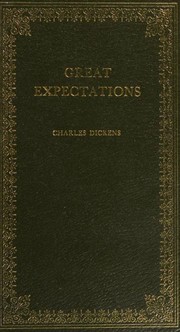 Charles Dickens · 1861Great ExpectationsLvl 4Medium pace
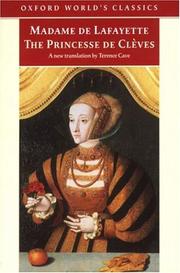 Madame de La Fayette · 1678The Princess of ClèvesLvl 4Slow burn
 Henry Fielding · 1749Tom JonesLvl 5Fast paced