
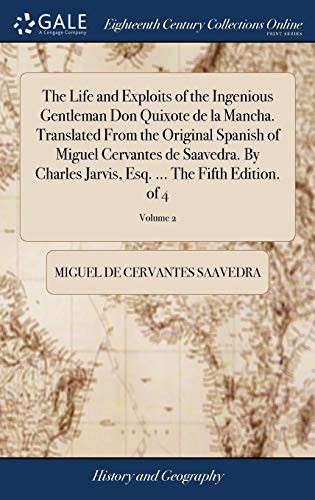
Don Quixote
Miguel de Cervantes · 1547–1616 · Spain
Originally Don Quijote de la Mancha (Spanish)
Why it matters
The founding text of the modern novel: a parody of chivalric romance that discovered fiction's true subject, the gap between the stories we believe and the world we inhabit. Four centuries on, novelists still call it the book that contains all the others.
At a glance
Archaic idiom and constant parody of chivalric romance require some genre familiarity.
Deep dive
Why the funniest book ever written about reading turns genuinely sad by the end, and what its self-quoting sequel invented for the novel.
Written for readers who have finished the book. No plot recap, and nothing here is safe to read first.
Themes & symbolism
The real subject isn't chivalry, it's reading — Alonso Quixano doesn't so much lose his mind as lose it to books, and Cervantes stages the whole adventure as a referendum on what fiction does to people who take it too seriously. The windmills aren't a joke about delusion so much as a joke about narrative will: a man decides which story he's living in, then bends the world until it supplies the plot. Sancho Panza, the illiterate skeptic who signs on for a donkey and a salary and stays for something closer to love, is the book's real education — by Part II he's fluent in his master's idiom of insulas and honor even as Quixote, coaching him toward the governorship, has absorbed some of Sancho's earthy sense.
Part II, published a full decade after Part I and partly in fury at a hack named Alonso Fernández de Avellaneda who'd rushed out a fraudulent sequel, is what makes the book modern rather than merely funny. Quixote and Sancho now meet people who have read Part I; they're famous inside their own story, and a Duke and Duchess stage elaborate, cruel pranks precisely because they already know the script the 'real' Quixote is supposed to perform. Cervantes even has his characters denounce Avellaneda's counterfeit by name. That's a novel eating its own tail two and a half centuries before anyone had a word for it.
Sancho's Governorship
The Duke hands Sancho a fake 'insula' to govern as a cruel joke, expecting a buffoon — and Sancho, to everyone's astonishment, rules with plain, humane justice, untangling property disputes with folk logic sharper than any judge's. What finally breaks him isn't the workload but one prank too many: his tormentors stage a fake 'invasion' of the island and arm him for a battle that turns out to be theater, and Sancho, trampled and terrified, decides no governorship is worth this. He resigns after ten days, exhausted and broke but uncorrupted, telling his tormentors he'd rather go back to the fields 'naked' than govern dishonestly. It's the clearest proof in the book that the line between fool and sage was always Cervantes's real joke, not the one about giants and windmills.
The last seal: what actually happens, and why it lands the way it does.
The ending, explained
Defeated on a beach at Barcelona by the Knight of the White Moon — Sansón Carrasco in disguise, enforcing a wager that Quixote quit knight-errantry — Quixote returns home broken and falls ill. On his deathbed he renounces every book of chivalry that made him what he was, wakes lucid as plain Alonso Quixano the Good, and dies sane. He refuses Sancho's desperate pleas to keep dreaming, even of becoming shepherds together, and disinherits anyone who dares write more of his exploits. Readers from Dostoevsky to Nabokov have found this ending devastating rather than triumphant: sanity here means surrendering the only self that ever made him worth reading about.
Where to go next
 Miguel de Cervantes · 1585La GalateaLvl 6Slow burn
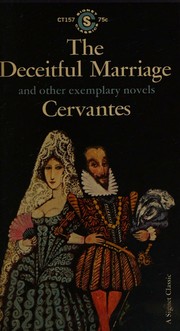 Miguel de Cervantes · 1613The Exemplary NovelsLvl 5Medium pace
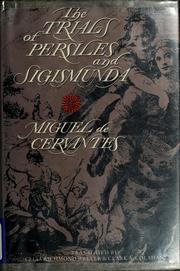 Miguel de Cervantes · 1617The Trials of Persiles and SigismundaLvl 6Fast paced
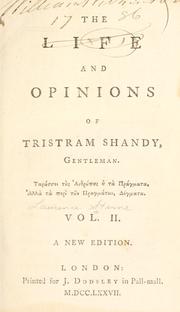 Laurence Sterne · 1759The Life and Opinions of Tristram Shandy, GentlemanLvl 9Slow burn
 Jonathan Swift · 1726Gulliver's TravelsLvl 5Medium pace
 Henry Fielding · 1749Tom JonesLvl 5Fast paced