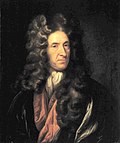
Birth of the Novel
Cervantes, Defoe, and Sterne invent, and immediately subvert, the form.
The novel begins as parody. Don Quixote mocks chivalric romance and in doing so discovers something unprecedented: a long prose narrative about an ordinary, deluded, deeply human person moving through a recognizable world. Defoe adds the texture of documentary realism (ledgers, dates, inventories) and the illusion that fiction is a true report.
Almost as soon as the conventions exist, Sterne explodes them. Tristram Shandy is a novel about the impossibility of writing a novel, full of typographic games and digressions: proof that self-consciousness was built into the form from the start. Everything postmodernism later claimed to invent is already here.
How to spot it on the page
- Found-document framing: memoirs, letters, and 'true reports' insisting the story really happened
- An ordinary, fallible hero where romance expected a knight or a saint
- Inventories, ledgers, and dates: realism built from the texture of paperwork
- Parody of older forms, with the new form assembling itself mid-mockery
- Direct address and typographic play: the author winking through the page
What it left behind
By 1760 the novel's toolbox was already complete: documentary illusion, the ordinary hero, the self-mocking narrator. Richardson and Fielding professionalized it, the Victorians industrialized it, and the modernists rediscovered its games. Every fake footnote and unreliable memoir since draws on patents filed here: the form's founding license to counterfeit truth and confess the counterfeit in the same breath.
Defining works
For a guided order with notes, follow the reading path →
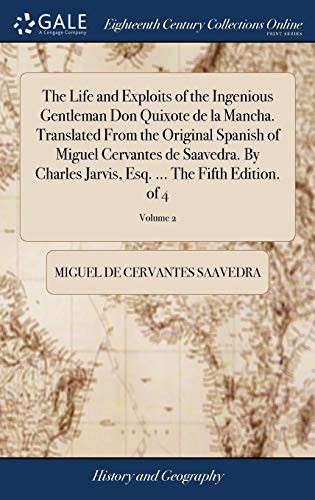
Miguel de Cervantes · 1605
The founding text of the modern novel: a parody of chivalric romance that discovered fiction's true subject, the gap between the stories we believe and the world we inhabit. Four centuries on, novelists still call it the book that contains all the others.
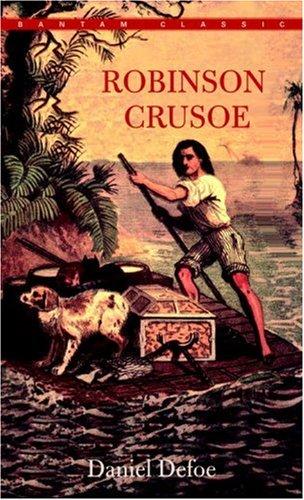
Daniel Defoe · 1719
Often called the first English novel: a castaway's meticulous, first-person account so persuasive many readers took it for fact. Its inventory-keeping realism (and its colonial shadow, in Friday) set arguments still running today.
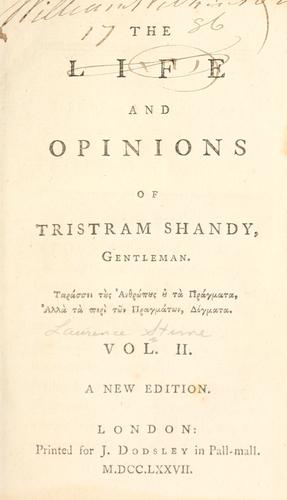
Laurence Sterne · 1759
The novel that deconstructed the form a century after its birth: black pages, marbled pages, a hero not born until volume three. Every experimental fiction since (Diderot to Rushdie) descends from Sterne's magnificent digressions.