

Daniel Defoe
England
Plain, brisk, list-making prose: first-person confession disguised as ledger, every event costed and dated like a castaway counting his stores.
Defoe spent his twenties and thirties failing at business (bankrupt as a hosiery merchant, a brick maker, a civet-cat farmer) and his forties as a government pamphleteer and spy, once locked in the pillory for a satire so effective the crowd pelted him with flowers instead of filth. He was nearly sixty, broke again, when he tried fiction.
Robinson Crusoe (1719) sold out its first printing in weeks and set off a wave of sequels and knockoffs overnight; he followed it with Moll Flanders (1722), the confession of a thief and prostitute narrated with the same deadpan inventory-taking. Both books pretended to be true (memoirs, not novels) because the novel as a form didn't yet have permission to be fiction.
Lines of influence
No ancestors recorded: a headwater.
Their books in the atlas
- 1719
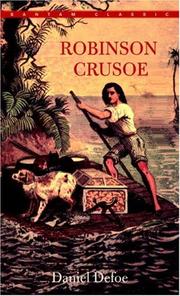 Robinson CrusoeLvl 4picaresque
 - 1722
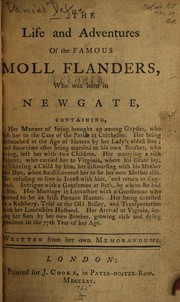 Moll FlandersLvl 5picaresque
Meanwhile, elsewhere


If you like Defoe, try
 1547–1616Miguel de CervantesSpainshared movement: Birth of the Novel · both shaped Dickens · kindred genres: picaresque
 1713–1768Laurence SterneEnglandshared movement: Birth of the Novel · kindred genres: picaresque · same region & era
 1812–1870Charles DickensEnglandshaped by Defoe
 1634–1693Madame de La FayetteFranceshared movement: Birth of the Novel · same region & era
 1707–1754Henry FieldingEnglandkindred genres: picaresque · neighboring movements · same region & era
 1667–1745Jonathan SwiftIrelandkindred genres: picaresque · neighboring movements · same region & era