
Odessa Tales
Isaac Babel · 1894–1940 · Russia / Ukraine
Originally Odesskie Rasskazy (Russian)
Why it matters
Jewish gangsters rule Odessa's Moldavanka slum in stories of comic, operatic violence and unlikely tenderness. Babel's other essential story cycle, lighter than Red Cavalry but no less precisely made.
At a glance
Vivid but compact vignettes, easier-going than Red Cavalry despite their stylistic density.
Deep dive
Benya Krik and the Moldavanka underworld get the treatment of Biblical patriarchs and Homeric kings, and why Babel needed a storyteller inside the stories to make that elevation convincing.
Written for readers who have finished the book. No plot recap, and nothing here is safe to read first.
Themes & symbolism
'The King' opens the cycle with a police raid deliberately timed to coincide with Benya Krik's sister's wedding, and the raid fails not through incompetence but because Benya has already arranged, calmly and in advance, for the police station itself to catch fire. Babel treats gangster competence with the same awed vocabulary Odessa's Jewish quarter reserved for scripture and legend, so that a protection racket reads like a coronation.
'How It Was Done in Odessa' hands the telling over to Reb Arye-Leib, an old man who narrates Benya's rise from nobody to King as though reciting scripture to a younger listener, including the famous negotiated letter Benya sends the merchant Eichbaum after a botched robbery, an apology and a marriage proposal to Eichbaum's daughter in the same document, more contract than threat. That embedded narrator matters: Babel needs a mouthpiece inside Moldavanka's own oral tradition to justify treating stickup men and smugglers as folk heroes without the frame reading as the author's own endorsement of violence.
'The Father' widens the cycle beyond Benya himself to his rival Froim Grach, whose daughter Basya returns from the country pregnant and unmarried, and the negotiation Benya stages to secure her an acceptable husband treats matchmaking with the same tactical seriousness as any robbery, a running joke that domestic and criminal business in Moldavanka answer to identical rules of honor and leverage.
Reb Arye-Leib's Frame Makes the Legend
By routing Benya's story through an old man who insists a proper storyteller, not a mere reporter of facts, is needed to do the King justice, Babel builds his own literary ambition directly into the plot: Reb Arye-Leib's speech about what separates a story from a police report is Babel's own aesthetic argument, delivered by a character rather than asserted by the author.
Comedy After the Cavalry's Blood
Odessa Tales followed Red Cavalry, Babel's austere, brutal chronicle of the Polish-Soviet War, and the contrast is deliberate: where the Cossacks of Red Cavalry commit violence the narrator can barely hold steady prose around, Benya's Moldavanka runs on negotiated violence, theatrical rather than nihilistic, threats issued as correspondence and raids planned around a wedding schedule. The same writer who could not look directly at the steppe's atrocities could look directly, and fondly, at his own neighborhood's criminals.
Where to go next
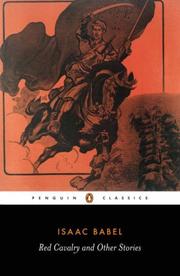 Isaac Babel · 1926Red CavalryLvl 5Fast paced
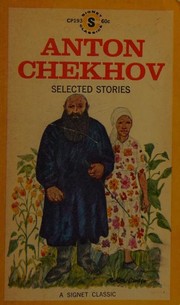 Anton Chekhov · 1899Selected StoriesLvl 4Medium pace
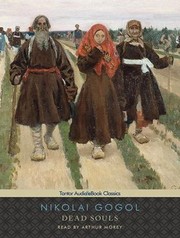 Nikolai Gogol · 1842Dead SoulsLvl 5Medium pace
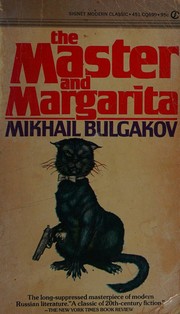 Mikhail Bulgakov · 1967The Master and MargaritaLvl 6Fast paced
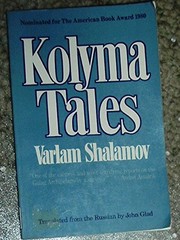 Varlam Shalamov · 1966Kolyma TalesLvl 5Medium pace
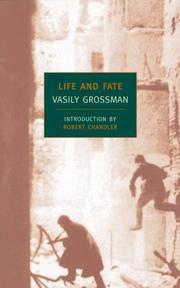 Vasily Grossman · 1980Life and FateLvl 7Medium pace