
Nicholas Nickleby
Charles Dickens · 1812–1870 · England
Why it matters
A penniless young man exposes the horrors of Yorkshire's boarding schools before rescuing his sister from a lecherous guardian, in one of Dickens's broadest and most purely entertaining picaresques. Its satire of Dotheboys Hall reportedly helped shut real schools like it down.
At a glance
Episodic picaresque structure and a huge cast, but consistently brisk, comic, and plainly narrated.
Deep dive
A penniless young man takes a teaching post at a Yorkshire boarding school, and Dickens sent him there specifically to document an institutional cruelty he'd already investigated firsthand.
Written for readers who have finished the book. No plot recap, and nothing here is safe to read first.
Themes & symbolism
Dotheboys Hall and its headmaster Wackford Squeers were drawn directly from real Yorkshire schools Dickens visited undercover before writing the novel, institutions that boarded unwanted, illegitimate, or simply inconvenient boys for a fee and then starved and beat them while their families stayed comfortably ignorant. Squeers's absurd catchphrases and his method of teaching spelling by making boys perform the chores the words describe are played for broad comedy, and Dickens keeps that comic register running directly alongside documented institutional child abuse rather than choosing one tone or the other.
Smike, the abused, developmentally disabled boy Nicholas rescues from Dotheboys, never gets the clean recovery a lesser novel would grant him: he remains fragile, dies of consumption before the book's end, and is revealed only afterward to have been Ralph Nickleby's own long-abandoned son, discovered by his father only once it's too late to matter to Smike at all. Dickens refuses to let rescue undo years of damage; Smike gets to die loved instead of tormented, which the novel treats as a real but modest mercy rather than any kind of triumph.
The Crummles theatrical troupe, a broadly comic interlude of provincial actors and outsized egos that Nicholas briefly joins between the novel's darker turns, functions as tonal counterweight rather than digression, Dickens's picaresque structure built to alternate registers within a single sprawling plot rather than sustain one mood across it.
A Father Who Never Knew His Son Until It Was Too Late
Ralph Nickleby spends most of the novel as a cold, usurious antagonist to his own nephew Nicholas, and his late discovery that Smike, the broken boy Nicholas took in and Ralph coldly dismissed, was his own illegitimate son, arrives with no time left to change anything about how he treated him. The revelation isn't staged as redemption; it lands as pure, useless waste, a man who spent a novel's worth of cruelty on the one person who might have redeemed him without either of them ever knowing it.
A Novel That Helped Close the Schools It Satirized
Dickens traveled to Yorkshire under a false pretext specifically to gather material, visiting William Shaw's school at Bowes, whose proprietor had already been successfully sued for blinding boys through neglect of a treatable eye infection, and the physical description of Squeers, missing an eye himself, one of the novel's odder details, is a near-direct transplant from Shaw's own appearance. Enrollment at several of these Yorkshire schools reportedly collapsed in the years after publication, a rare case of a comic novel functioning as effective consumer protection rather than only as satire.
The last seal: what actually happens, and why it lands the way it does.
The ending, explained
Ralph, informed of Smike's parentage only after the boy's death and simultaneously exposed and financially ruined through schemes unraveled by Newman Noggs and the benevolent Cheeryble brothers, hangs himself alone in his own house rather than face either grief or disgrace. Nicholas marries Madeline Bray and his sister Kate marries Frank Cheeryble, both matches secured by the Cheerybles' patronage rewarding the family's long endurance, but Dickens keeps Smike's tended, unglamorous grave in view of the closing chapters, a quiet reminder that Nicholas's happiness arrives alongside a loss no marriage plot can fully absorb.
Where to go next
 Charles Dickens · 1838Oliver TwistLvl 4Fast paced
 Charles Dickens · 1843A Christmas CarolLvl 2Fast paced
 Charles Dickens · 1850David CopperfieldLvl 5Medium pace
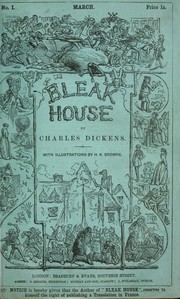 Charles Dickens · 1853Bleak HouseLvl 7Slow burn
 Charles Dickens · 1854Hard TimesLvl 4Medium pace
 Charles Dickens · 1857Little DorritLvl 7Slow burn