
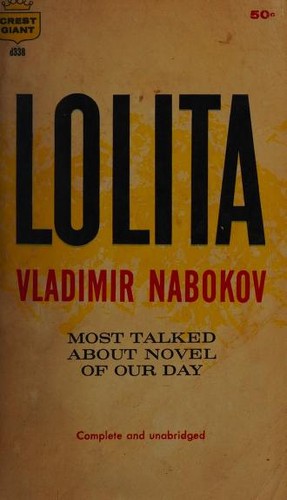
Lolita
Vladimir Nabokov · 1899–1977 · Russia / USA
Why it matters
A pedophile's gorgeous, self-damning confession: the century's most controversial masterpiece and its greatest test of the difference between style and sympathy. 'You can always count on a murderer for a fancy prose style.'
At a glance
Ornate, pun-dense, unreliable narration requires constant vigilance against the narrator's charm.
Deep dive
A confessed predator's prose is so dazzling that the novel's whole design depends on readers catching themselves charmed before the horror underneath his sentences reasserts itself.
Written for readers who have finished the book. No plot recap, and nothing here is safe to read first.
Themes & symbolism
Humbert Humbert writes his prison memoir as seduction and legal defense at once, and Nabokov's trap is that the performance works: the puns, the allusions, the sheer virtuosity of the prose recruit the reader into the same charm offensive Humbert runs on every adult in the book, so that finishing the novel honestly means noticing your own complicity in almost liking him. The gap between his lush, wholly invented 'nymphet' Lolita and the actual child underneath — Dolores Haze, who cries herself to sleep every night Humbert doesn't think to mention until he does, who has no friends, whose vernacular ordinariness keeps leaking through his purple prose — is where the real novel lives, and Nabokov leaves just enough of it visible that attentive readers can see past the narration to the abuse and grief Humbert is aestheticizing out of existence.
Clare Quilty, the depraved playwright who eventually spirits Dolores away, functions as Humbert's double: a more debauched, less articulate version of the same appetite, which lets Humbert's narrative offload some of its guilt onto a 'worse' man. The device is transparent as rationalization — the reader is meant to notice Humbert manufacturing a moral hierarchy between himself and Quilty that the facts don't support. The framing device, a fictional foreword from psychologist 'John Ray, Jr.' presenting the whole manuscript as a recovered clinical case history, adds one further layer of unreliable distance, positioning even the book's claim to be a confession as itself a curated performance.
Nabokov, a lepidopterist by avocation, builds the novel's famous wordplay — the puns, the doubled languages, the constant literary allusion — as a kind of elaborate specimen mounting: Humbert pins Dolores like a butterfly to his prose, categorizing and admiring her while draining her of any independent life the pinning would obviously require killing first. That the novel can be read, and was long read, primarily as a dazzling comic performance rather than as the account of a child's destruction is itself the trap working as designed; Nabokov's genius and his moral seriousness are the same gesture, not competing ones.
The last seal: what actually happens, and why it lands the way it does.
The ending, explained
Humbert tracks down and shoots Quilty in a scene staged as grotesque slapstick rather than climax — bungled, undignified, undercutting any sense that justice has been served. Before that, he learns Dolores has married an ordinary, kind, deaf veteran named Dick Schiller, is pregnant, and is living a modest life entirely outside his fantasy of her; the news devastates him with what reads as genuine late love and guilt, though since Humbert narrates even his own remorse, the novel leaves open whether to trust it. The final cruelty is structural: an afterword reveals Humbert died of heart failure awaiting trial and Dolores herself died in childbirth shortly after, meaning the whole extravagant appeal we've just read is addressed to a reader in a future where its actual subject can never receive or answer it.
Where to go next
 Vladimir Nabokov · 1938Invitation to a BeheadingLvl 7Slow burn
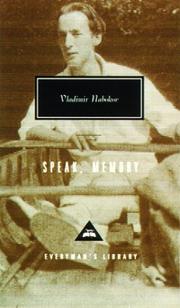 Vladimir Nabokov · 1951Speak, MemoryLvl 6Slow burn
 Vladimir Nabokov · 1957PninLvl 4Medium pace
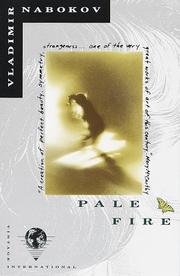 Vladimir Nabokov · 1962Pale FireLvl 9Slow burn
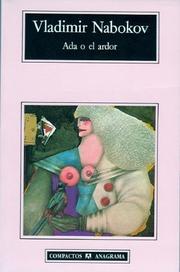 Vladimir Nabokov · 1969Ada, or Ardor: A Family ChronicleLvl 9Slow burn
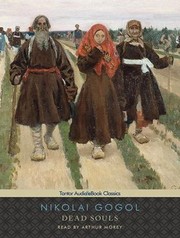 Nikolai Gogol · 1842Dead SoulsLvl 5Medium pace