

Hotel du Lac
Anita Brookner · 1928–2016 · England
Why it matters
Jilted romance novelist Edith Hope is packed off to an off-season Swiss hotel, where she watches fellow guests and weighs a loveless, comfortable marriage against her own solitude. Brookner's spare, exacting novel won the Booker over showier favorites.
At a glance
Restrained, interior prose privileges nuance and implication over incident.
Deep dive
Why the least dramatic proposal in the book is the one that finally forces Edith to say, if only to herself, what she actually wants from a life she's spent her career prettifying for other women.
Written for readers who have finished the book. No plot recap, and nothing here is safe to read first.
Themes & symbolism
Brookner sets up two competing accounts of what a woman is for, embodied by the hotel's off-season cast: Mrs Pusey, luxuriating in a marriage built entirely on being adored and provided for, and the whippet-thin Monica, starving herself in quiet rebellion against a husband who wants an heir. Edith, a romance novelist who makes her living writing exactly the fairy tale she's too clear-eyed to believe in, is caught between them, and the novel's irony is sharpest where it's quietest: she understands the market value of the story she sells better than anyone in the hotel, which is precisely why she can't talk herself into living inside it.
The hotel itself, drained of its high-season glamour, becomes a kind of purgatorial waiting room where women who have failed to secure a conventional happy ending sit out the low season together, observed by Edith with the same detached, slightly merciless eye she turns on her own novels' heroines. Mr Neville's proposal — pragmatic, undisguised, offered as a business arrangement rather than a romance — forces the terms Edith has spent her whole career prettifying out into the open: marriage as a transaction for status and security, love entirely optional. That he can say this plainly, without shame, is what finally lets Edith see him clearly.
The Novelist as Unreliable Heroine
Brookner's great structural joke is making her protagonist a professional romance writer who cannot make her own life conform to her own genre's rules — the disastrous affair with the married David that opens the novel, sending Edith into effective exile at the hotel, reads nothing like the plots she publishes. The gap between what Edith writes for a living and what she's willing to accept for herself is the novel's real subject, and it's why the ending, so quiet on the page, carries the weight of a genre being deliberately refused.
Against the Booker Grain
Hotel du Lac famously beat In the Memory of the Forest, Empire of the Sun, and other louder, more expansive novels for the 1984 Booker, a decision some critics greeted as the prize rewarding a miniature over the big historical canvases it usually favors. That reaction rather proves Brookner's point: a small, exact novel about a woman weighing solitude against a comfortable marriage was read by some as a lesser subject than war or empire, exactly the hierarchy of seriousness Edith herself has spent her career quietly, professionally exploiting and resenting in equal measure.
The last seal: what actually happens, and why it lands the way it does.
The ending, explained
Edith initially resolves to accept Mr Neville's proposal, reasoning her way toward the security and social cover a loveless marriage would provide — a rational, almost weary capitulation to what women in her position are supposed to want. But she then discovers him leaving another guest's room late at night, exposing the marriage he's offered her as one convenience among several he intends to keep arranging for himself. Rather than negotiate or accept the arrangement anyway, Edith withdraws her acceptance and returns, unmarried, to her solitary writing life in London — not a triumphant ending, but a quietly resolute one, choosing an honest loneliness over a dishonest partnership.
Where to go next
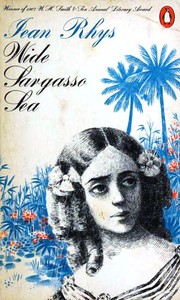 Jean Rhys · 1966Wide Sargasso SeaLvl 6Slow burn
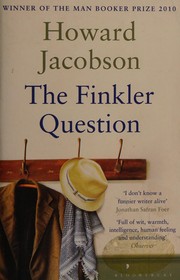 Howard Jacobson · 2010The Finkler QuestionLvl 5Medium pace
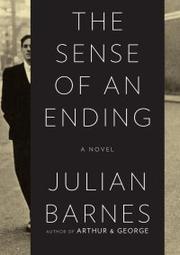 Julian Barnes · 2011The Sense of an EndingLvl 4Medium pace
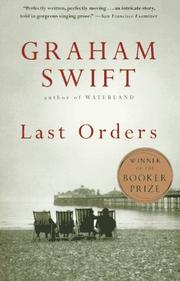 Graham Swift · 1996Last OrdersLvl 5Medium pace
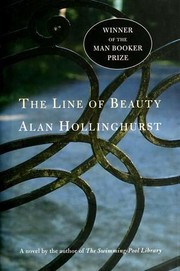 Alan Hollinghurst · 2004The Line of BeautyLvl 5Slow burn
 Iris Murdoch · 1978The Sea, the SeaLvl 6Slow burn