
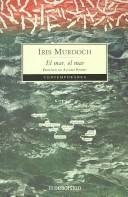
The Sea, the Sea
Iris Murdoch · 1919–1999 · Ireland / England
Why it matters
A vain retired theatre director retreats to the coast and becomes convinced he must reclaim his first love, with disastrous, comic, tragic results. Murdoch's Booker winner on self-deception and the reality of other people.
At a glance
A garrulous, unreliable narrator's dense self-justifications require skeptical close reading.
Deep dive
Why a retired theatre director who claims to have renounced the world can't stop directing everyone in it — and what the sea is doing every time he looks at it.
Written for readers who have finished the book. No plot recap, and nothing here is safe to read first.
Themes & symbolism
Charles Arrowby narrates his retirement to the coast as a renunciation — of theatre, of London, of his own vanity — while doing almost nothing but stage-manage the people around him exactly as he once staged plays. His pursuit of Hartley, the first love he hasn't seen in decades, is written and re-written in his own head before he ever approaches her; when the real woman turns out to be married, unhappy in ways he doesn't understand, and simply uninterested in being rescued, Charles keeps directing anyway, unable to register that she is a person rather than a role he's cast her in. Murdoch's target is the particular narcissism of the artist who mistakes his own fluent, persuasive imagination for perception — Charles is a brilliant noticer of surfaces and a catastrophic reader of what other people actually want.
The sea itself refuses to be staged: beautiful, cold, and genuinely dangerous, it produces the novel's strangest moment when Charles claims to see a monster rising from it, an unverified vision the book never fully explains away as delusion, drug flashback, or something else. Read symbolically, the monster is the uncontrollable finally erupting into a life Charles has spent the whole book trying to compose to his own taste — his obsessively detailed cooking, meal by meal, is the same impulse in a domestic key, ritual and recipe as a way of imposing order on an inner life he can't otherwise govern.
Murdoch's Philosophy: Unselfing
Murdoch was a professional moral philosopher before and alongside her novels, and her essay "The Sovereignty of Good" argues that virtue consists of directing attention outward, away from the ego's fantasies, toward what is actually there — she calls the discipline "unselfing," achievable through art, through nature, through simply looking hard enough at something else to forget yourself. Charles is the negative demonstration: everything in the novel, Hartley included, gets absorbed into the theatre of his own self-regard, and his cousin James, a quietly disciplined Buddhist, exists in the novel largely to model the alternative Charles can't manage — attention without appropriation.
Comedy Against Tragedy
Murdoch keeps undercutting Charles's grand passions with slapstick — ridiculous meals, a farcical near-drowning, absurd domestic clutter — a tonal instability that is deliberate rather than sloppy. The gap between how seriously Charles takes his own story and how absurd it looks from outside is where the novel's judgment of him actually lives; by the time the book closes on a chastened, more reflective Charles, questioning the certainties he opened with, the comedy has done as much moral work as the deaths that provoke it.
Where to go next
 Iris Murdoch · 1958The BellLvl 5Medium pace
 Jean-Paul Sartre · 1938NauseaLvl 6Slow burn
 Muriel Spark · 1961The Prime of Miss Jean BrodieLvl 4Fast paced
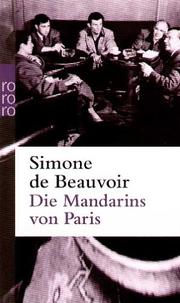 Simone de Beauvoir · 1954The MandarinsLvl 6Slow burn
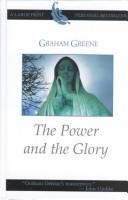 Graham Greene · 1940The Power and the GloryLvl 5Medium pace
 E. M. Forster · 1924A Passage to IndiaLvl 6Medium pace