
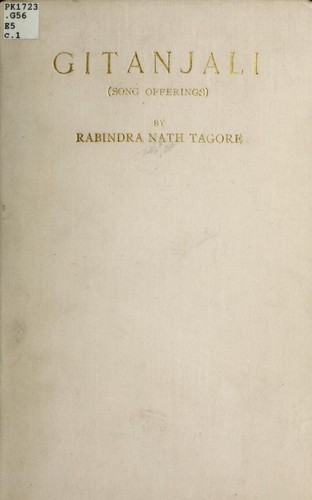
Gitanjali
Rabindranath Tagore · 1861–1941 · India (Bengal)
Originally Gitanjali (Bengali)
Why it matters
A cycle of devotional lyrics addressed to an unnamed divine 'you,' longing, surrender, and love folded into spare, hymn-like verse. Tagore's own English rendering of his Bengali poems won him the 1913 Nobel, literature's first for an Asian writer.
At a glance
Short, plainspoken devotional lyrics, though their spiritual register asks for unhurried, meditative reading.
Deep dive
A collection of devotional songs assembled and translated by the poet himself won India's first Nobel Prize in literature, and losing almost everything that made the originals songs in the first place is part of how that happened.
Written for readers who have finished the book. No plot recap, and nothing here is safe to read first.
Themes & symbolism
Gitanjali's most persistent figure is a divine 'thou' who is by turns lover, king, friend, and boatman, addressed in the intimate second person of Bengali devotional song rather than the distanced language of institutional religion, and Tagore lets that address slide between longing for a god, an absent beloved, and death itself without ever settling which one the poems mean, since the bhakti tradition he's drawing on treats all three as versions of the same surrender. The opening poem, 'Thou hast made me endless,' sets the whole collection's terms: a self that is only a vessel, made and remade, filled and emptied, by a presence it can never fully hold onto.
Doors, boats, rivers, and roads recur across the sequence as the collection's working vocabulary for a soul in transit, always about to meet, always mid-journey, and the most anthologized of the poems, 'Where the mind is without fear,' breaks from that intimate register into something closer to a civic prayer, imagining a free country built on that 'heaven of freedom' rather than a private union with the divine, a reminder that Tagore wrote these poems as a public Bengali intellectual as much as a private mystic.
A Book Assembled After the Fact
The English Gitanjali that won the Nobel Prize in 1913 isn't a straight translation of the Bengali book of the same name: Tagore drew poems from several separate Bengali collections, Gitimalya and Naivedya among them, and recast them himself as English prose poems, so the volume that made his international reputation is really a compilation built for a foreign readership rather than the book Bengali readers already knew.
What the English Prose Lost
The Bengali originals are metrical, rhymed, and built to be sung, and Tagore's own English versions strip nearly all of that away in favor of a plain, incantatory prose that W. B. Yeats, who wrote the collection's introduction and helped shape its reception, praised as a return to something like scripture. Later critics, including Tagore himself in more skeptical moments, have argued the English Gitanjali trades the originals' music for a mystical simplicity that made Tagore easy for the West to canonize as a sage, and just as easy, within a few decades, for the West to lose interest in.
Where to go next
 Rabindranath Tagore · 1903Chokher BaliLvl 5Slow burn
 Rabindranath Tagore · 1910GoraLvl 5Slow burn
 Rabindranath Tagore · 1912The Post OfficeLvl 3Medium pace
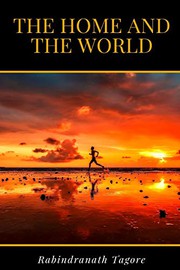 Rabindranath Tagore · 1916The Home and the WorldLvl 6Medium pace
 Bankim Chandra Chattopadhyay · 1882AnandamathLvl 5Medium pace
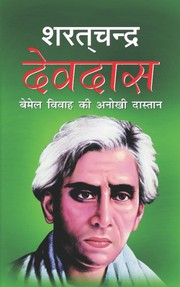 Sarat Chandra Chattopadhyay · 1917DevdasLvl 2Fast paced