The Bengali Renaissance
Colonial Calcutta invents the modern Indian novel, and gives it a Nobel laureate.
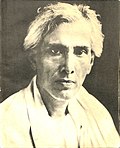
Bankim Chandra Chattopadhyay founded the modern Bengali novel with Anandamath in 1882, ascetic rebels rising against famine and colonial rule, whose hymn, Vande Mataram, became independent India's national song. Rabindranath Tagore, the first non-European Nobel laureate in Literature, in 1913, took up the novel a generation later to argue with nationalism rather than simply supply it: The Home and the World stages a fervent revolutionary, a modernizing husband, and the wife caught between them as competing versions of what the new nation should want.
Sarat Chandra Chattopadhyay then carried the novel out of Calcutta's drawing rooms and into the household and the village, writing widows, outcastes, and doomed love with a popular sentimentality that made him Bengal's most widely read novelist for decades. Tagore's own Gora tested the same nationalist fervor against caste and identity through a Hindu nationalist who discovers his own Irish birth. Between them, colonial Calcutta produced a literature that was at once a colonial import, absorbing the English novel's form, and the primary instrument of Bengali and Indian self-invention.
How to spot it on the page
- A hymn or song embedded in the narrative that outgrows the book to become India's national song
- Nationalist fervor tested against personal conscience rather than simply celebrated
- Widows, outcastes, and doomed love given the era's most popular, widely read treatment
- Identity and caste complicated by a late revelation of hidden origin
- The English novel's form absorbed and bent to Bengali social material
- A marriage or household made to carry an argument about the nation itself
What it left behind
The Bengali Renaissance closed with Tagore's death in 1941, but its founding claim, that the novel could be both colonial import and instrument of self-invention, became the template every Indian-language literary tradition worked from after. Vande Mataram still opens as India's national song; Tagore's insistence on testing nationalism against conscience anticipated the ambivalence Rushdie and Roy's generations would inherit as their own default subject.
Defining works
For a guided order with notes, follow the reading path →
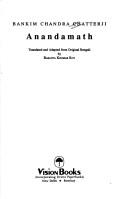
Bankim Chandra Chattopadhyay · 1882
Ascetic rebels rise against famine and colonial exploitation in Bengal's founding nationalist novel. Its hymn 'Vande Mataram' became independence India's unofficial second national anthem.
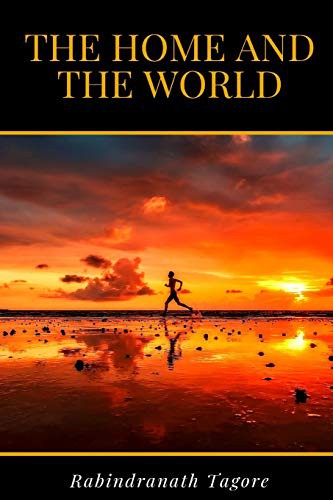
Rabindranath Tagore · 1916
A liberal zamindar, his awakening wife, and a charismatic nationalist in one Bengali household: nationalism weighed against conscience decades early. Tagore's great novel; the arguments have only grown louder since.
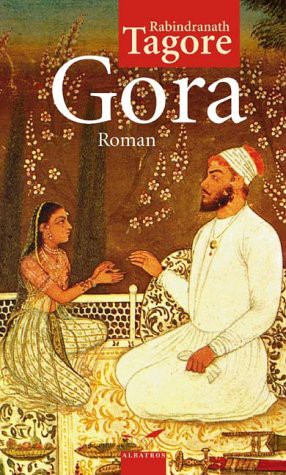
Rabindranath Tagore · 1910
A fierce young Hindu nationalist crusades against caste laxity and foreign influence, certain of his own place at the center of Indian orthodoxy. Tagore's great novel of ideas wrestles with what it means to belong to India.