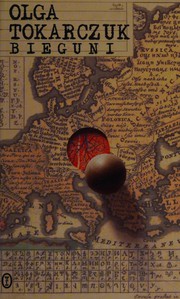
Drive Your Plow Over the Bones of the Dead
Olga Tokarczuk · b. 1962 · Poland
Originally Prowadź Swój Pług przez Kości Umarłych (Polish) · translated by Antonia Lloyd-Jones
Why it matters
An eccentric older woman in a remote Polish village suspects the local hunters are being killed by the animals they stalk. A murder mystery that becomes a furious eco-parable and a hymn to William Blake.
At a glance
A clear first-person mystery narrative, its digressions into Blake and astrology aside.
Deep dive
Janina Duszejko reads a string of local hunters' deaths through astrology and William Blake, insists the animals are taking justified revenge, and the novel spends its whole length deciding whether to trust its own narrator.
Written for readers who have finished the book. No plot recap, and nothing here is safe to read first.
Themes & symbolism
Janina, an aging engineer turned part-time astrologer and amateur Blake translator, lives in an isolated village near the Czech border and treats astrology not as parlor superstition but as a genuinely coherent explanatory system, one she applies with the same rigor a detective might bring to physical evidence. Local power, the police, the priest, the hunting club, dismisses her outright, precisely the reflex the novel keeps exposing: an elderly, unconventional woman's testimony gets discounted before anyone actually tests whether her reasoning holds up, and Tokarczuk builds the whole plot to make that dismissal look increasingly indefensible.
Hunters keep dying in ways that echo the methods used against animals, a fox trap, a chimney fall staged to resemble a deer's misfortune, and Janina reads each death through her charts as retribution the natural world is finally exacting for decades of unpunished cruelty. Tokarczuk borrows the pleasures and structure of detective fiction, a body, suspects, an amateur sleuth piecing together a pattern, and then uses the genre's built-in promise of a rational unmasking against itself, since Janina's outlandish-sounding framework keeps being validated by events, forcing the reader to take animal-rights fury seriously as a moral position rather than filing it alongside the county's contempt for Janina herself.
Blake's Proverbs as Chapter Titles and Moral Argument
Each chapter opens on a line from William Blake, most drawn from Proverbs of Hell, 'the tigers of wrath are wiser than the horses of instruction' chief among them, and the epigraphs do more than set mood: they place Janina inside a specific literary lineage of visionary outsiders whose anger is treated as prophecy rather than pathology. Blake's own contempt for rule-bound, unimaginative authority gives Janina's fury at the hunting club a genealogy older and more respectable than the village is willing to grant her, and the novel leans on that inheritance to keep tilting the reader toward her side.
Janina and her former student Dizzy work through a translation of Blake together across the book, laboring line by line over exactly what an eighteenth-century English visionary poet has to offer a cold, rural corner of contemporary Poland, and the translation work becomes its own quiet argument that Blake's rage at cruelty and institutional blindness translates without much friction at all. Tokarczuk treats that labor as seriously as the murder plot running alongside it, two searches for the right words to describe an injustice everyone else in the village has simply agreed to stop noticing.
The last seal: what actually happens, and why it lands the way it does.
The ending, explained
Janina is revealed as the person behind the deaths, having used her astrological calculations and detailed knowledge of local hunting practices to identify and kill men she judged guilty of sustained cruelty to animals, a poacher, the head of the hunting club, a corrupt police commandant, and to frame each death as an accident nature itself might plausibly have delivered. With help from her small circle of allies, including her former student Dizzy and her friend Boros, she evades any legal reckoning, and the novel closes with her finding refuge across the border rather than facing arrest. Tokarczuk declines to hand down a clean verdict on whether Janina dispensed justice or committed murder dressed as it, leaving that judgment, deliberately, for the reader to carry out of the book.