
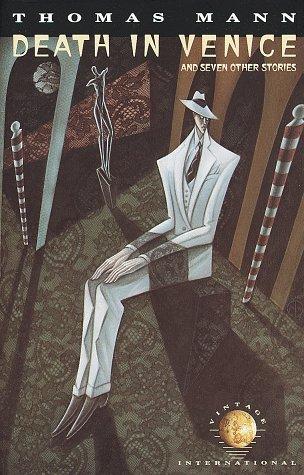
Death in Venice
Thomas Mann · 1875–1955 · Germany
Originally Der Tod in Venedig (German)
Why it matters
A disciplined great writer undone by beauty on the Lido, cholera creeping through the canals. The perfect novella of art's danger to the artist: dignity and desire in fatal, gorgeous collision.
At a glance
Dense, allusive prose steeped in classical and Nietzschean reference.
Deep dive
A disciplined artist goes to Venice to rest, and instead lets cholera, cosmetics, and an unreachable boy dismantle every value he's built his life on.
Written for readers who have finished the book. No plot recap, and nothing here is safe to read first.
Themes & symbolism
Aschenbach arrives in Venice as the very model of Apollonian self-mastery — a celebrated writer whose entire aesthetic and personal discipline is organized around form, restraint, and the conquest of chaotic feeling — and Mann spends the novella methodically stripping that discipline away, scene by scene, until nothing recognizable is left. His obsession with the beautiful Polish boy Tadzio is never physically consummated and barely even spoken to; it operates instead as a slow Dionysian invasion of a mind that has spent decades building walls against exactly this kind of surrender, which is why Mann can render infatuation with a child as tragedy rather than merely scandal — the real violation is Aschenbach's collapse, not any act against Tadzio.
The cholera epidemic quietly overtaking Venice runs as an exact physical correlate to Aschenbach's moral condition: authorities suppress the news to protect the tourist trade the same way Aschenbach suppresses his own understanding of what's happening to him, and both concealments serve appetite over honesty. The city itself, beautiful and rotting, sinking on its pilings while corpses accumulate behind a wall of denial, is less a backdrop than a mirror image of a man who is, in the same weeks, beautifully appointed and quietly dying inside.
The dyed hair, rouged cheeks, and youthful clothes Aschenbach eventually accepts from a hotel barber are the novella's cruelest irony, since he had recoiled in disgust from an identically made-up old man on the boat into Venice at the story's opening, appalled by the spectacle of age performing youth. Mann brings that image back explicitly to show Aschenbach becoming, without any self-recognition, the exact figure he once found grotesque — the clearest possible measure of how completely his self-mastery has failed.
The Classical Machinery Underneath
Mann threads Aschenbach's collapse through an unusually dense layer of Greek myth — Tadzio is repeatedly likened to a classical statue or a young god, and an extended imagined dialogue between Socrates and Phaedrus on beauty and desire surfaces directly in Aschenbach's thoughts near the end, giving his infatuation a philosophical alibi it hasn't earned. The mythic apparatus lets Mann frame a modern, disturbing obsession inside the borrowed dignity of Platonic tradition, then slowly reveals the borrowing itself as self-deception — Aschenbach using classical philosophy to dress up an unraveling he can't otherwise justify to himself.
The last seal: what actually happens, and why it lands the way it does.
The ending, explained
Aschenbach, weakened by the cholera he refuses to flee and grotesquely made up in the cosmetics he once despised, takes his usual chair on the beach to watch Tadzio one last time. Tadzio wanders toward the waterline and, in a gesture Aschenbach reads as summoning him toward some vast, open promise, turns and half-raises an arm to point out to the horizon. Aschenbach, trying to rise and follow, slumps dead in his chair, discovered only shortly after by other guests, his public reputation as a monument of discipline left intact for a world that will never learn what actually happened to him in his last weeks. The death reads as neither punishment nor release cleanly, but as the final, logical terminus of a life spent holding Dionysian feeling at bay: once the dam breaks, there's nothing left to survive it with.
Where to go next
 Thomas Mann · 1901BuddenbrooksLvl 5Slow burn
 Thomas Mann · 1924The Magic MountainLvl 8Slow burn
 Thomas Mann · 1933Joseph and His BrothersLvl 8Slow burn
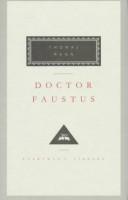 Thomas Mann · 1947Doctor FaustusLvl 8Slow burn
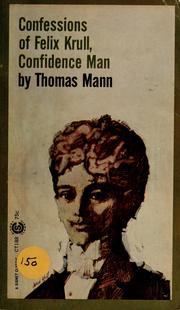 Thomas Mann · 1954Confessions of Felix Krull, Confidence ManLvl 5Medium pace
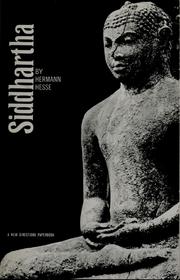 Hermann Hesse · 1922SiddharthaLvl 3Medium pace