
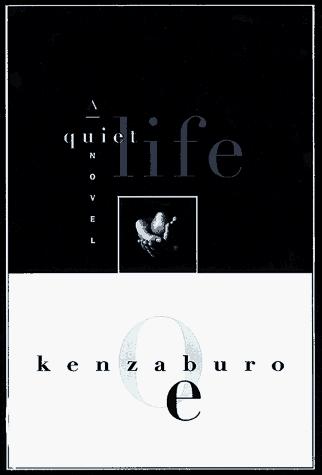
A Quiet Life
Kenzaburō Ōe · 1935–2023 · Japan
Originally Shizuka na Seikatsu (Japanese) · translated by Kunioki Yanagishita and William Wetherall
Why it matters
With the father-novelist away in America, his twenty-year-old daughter narrates a household reorganized around her brain-damaged, musically gifted brother. Ōe hands his own recurring subject to a woman's voice, and it comes out gentler, and steelier.
At a glance
Calm, deliberate first-person narration belies the difficult family material underneath.
Deep dive
With the famous novelist away in America for a year, his twenty-year-old daughter takes over running a household built around her brain-damaged, musically gifted brother, and an accusation at the local pool tests how well she actually understands him.
Written for readers who have finished the book. No plot recap, and nothing here is safe to read first.
Themes & symbolism
Ōe hands the recurring subject of his own fiction, a family reorganized around a disabled son, to a female narrator for the first time, and the shift changes everything about how the material lands. Ma-chan, twenty, becomes the household's functional head when her novelist father, K, accepts a year-long visiting position in America, and the responsibility she inherits, ferrying her older brother Eeyore to his workshop, managing his epilepsy, protecting him from a world that reads his differences as danger, has none of the reflexive parental authority her father's own accounts of Eeyore always carried. She has to earn a way of seeing her brother that her father simply assumed.
That difference sharpens hard around a single incident at Eeyore's swimming club, where a stranger accuses him of indecent assault. Ma-chan, rather than accepting the community's readiness to believe the worst of a disabled young man, investigates the accusation herself, and Ōe uses her doubt as the novel's real subject: not whether Eeyore is guilty, but how quickly institutions built to protect vulnerable people default instead to suspecting them. Mr. Shigeto, a family friend who becomes Ma-chan's confidant and mentor through the ordeal, gives her an adult perspective her absent father can't, and the novel is quietly making an argument about which relationships actually sustain a family in crisis, blood ones or chosen ones.
A Father's Subject, Handed to His Daughter
Ōe had written about a son like Eeyore, closely modeled on his own son Hikari, across multiple earlier novels narrated from the father's exhausted, guilt-ridden point of view, and A Quiet Life is his deliberate correction of that habit: by routing the same material through Ma-chan, a sister rather than a parent, he strips out the self-justifying anguish that colored his own earlier narrators and replaces it with something plainer and steelier, a young woman who loves her brother without needing the relationship to redeem her. The novel reads, among other things, as Ōe auditing his own body of work and finding it incomplete without a voice he had never let carry it before.
The last seal: what actually happens, and why it lands the way it does.
The ending, explained
Ma-chan's investigation clears Eeyore of the accusation at the pool, and the true circumstances turn out to implicate the accusing adults' own carelessness and prejudice rather than anything her brother did. But Ōe declines to build the novel toward a triumphant vindication; the more lasting change is in Ma-chan herself, who ends the year no longer merely covering for her absent father but genuinely running the family on terms she chose, with Mr. Shigeto's steady presence proving more useful to her than K's return will be. When the father finally comes home from America, the household he re-enters is one his daughter built without him, and the novel's quiet final note is that he knows it.
Where to go next
 Kenzaburō Ōe · 1958Nip the Buds, Shoot the KidsLvl 5Fast paced
 Kenzaburō Ōe · 1964A Personal MatterLvl 5Medium pace
 Kenzaburō Ōe · 1967The Silent CryLvl 8Slow burn
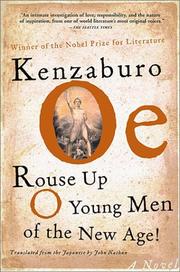 Kenzaburō Ōe · 1983Rouse Up O Young Men of the New Age!Lvl 6Slow burn
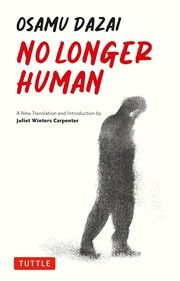 Osamu Dazai · 1948No Longer HumanLvl 4Medium pace
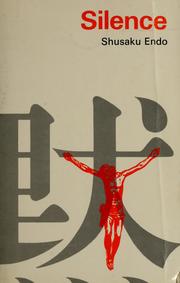 Endō Shūsaku · 1966SilenceLvl 5Slow burn