
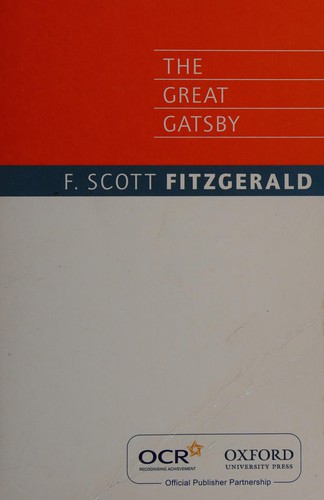
The Great Gatsby
F. Scott Fitzgerald · 1896–1940 · USA
Why it matters
A bootlegger's mansion, a green light, and the American dream audited in prose that never wastes a syllable. It sold modestly and died with its author, then became the most perfect short novel in American literature.
At a glance
Compact and lyrical, but its symbolic density rewards rereading despite a plain surface.
Deep dive
Why the green light, the ashes, and the eyes over the billboard all point toward the same verdict on the American dream — and on the man telling the story.
Written for readers who have finished the book. No plot recap, and nothing here is safe to read first.
Themes & symbolism
The green light at the end of Daisy's dock works because it stays just out of reach on purpose — Gatsby spends the whole book converting a woman into a symbol of a future he can chase forever but never quite catch, which is the closest Fitzgerald comes to a thesis statement. The valley of ashes, the literal industrial waste dumped between West Egg's new money and Manhattan's old, sits under Doctor T. J. Eckleburg's fading, godless billboard eyes — the closest thing this book has to a moral witness, and it isn't one, just an advertisement nobody bothered to take down. Old money and new never actually merge: Gatsby can fill his closet with shirts from an English tailor and throw parties that fill his lawn with strangers, but he can't buy the one thing Daisy's voice is 'full of' — money that's always already been there.
Nick Carraway insists early on that he's 'inclined to reserve all judgments,' then spends the rest of the novel judging everyone he meets, which is the book's quiet joke on its own narrator. He's writing roughly two years after the fact, back in the Midwest, and that distance lets him shape Gatsby into a tragic hero he's not sure Gatsby actually was — Nick's closing eulogy says more about his own need for someone to believe in than about Gatsby's actual character.
Nick Carraway, Unreliable Witness
Nick calls himself 'the only honest person I have ever known' in the same breath as lying to Jordan Baker and quietly enabling Gatsby's affair with his own married cousin. His snobbery leaks out constantly — he's proud of his Yale pedigree, faintly disgusted by the 'appalling' guests at Gatsby's own parties — even as he claims immunity from the moral rot around him. The novel's genius is letting you feel the gap between what Nick asserts about himself and what he actually does.
The last seal: what actually happens, and why it lands the way it does.
The ending, explained
Daisy, driving Gatsby's car, kills Myrtle Wilson in the valley of ashes; Gatsby takes the blame to shield her and waits by his pool all night for a phone call from Daisy that never comes. Tom tells Myrtle's husband George that Gatsby owned the car, letting George believe Gatsby was both the driver and Myrtle's lover; George shoots Gatsby in the pool, then kills himself. Almost no one attends the funeral — not Daisy, not a single party guest, only Gatsby's father and a drunken stranger called Owl Eyes. Tom and Daisy simply retreat into their money, 'smashed up things and creatures and then retreated back into' it, untouched. Nick, disgusted, goes home to the Midwest, closing with his meditation on the Dutch sailors' first sight of the 'fresh, green breast of the new world' and the famous last line about boats borne back ceaselessly into the past.
Where to go next
 F. Scott Fitzgerald · 1934Tender Is the NightLvl 6Medium pace
 Richard Yates · 1961Revolutionary RoadLvl 4Medium pace
 Joseph Conrad · 1899Heart of DarknessLvl 7Slow burn
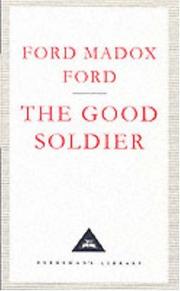 Ford Madox Ford · 1915The Good SoldierLvl 7Slow burn
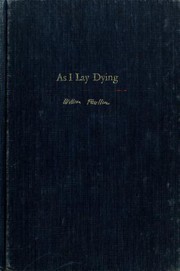 William Faulkner · 1930As I Lay DyingLvl 9Medium pace
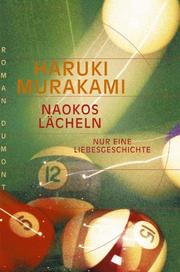 Haruki Murakami · 1987Norwegian WoodLvl 3Fast paced