
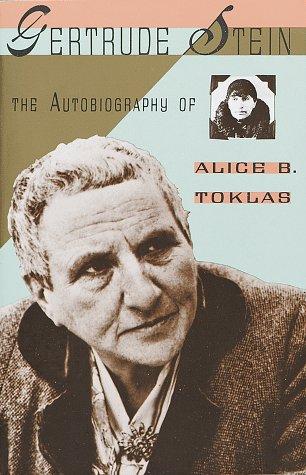
The Autobiography of Alice B. Toklas
Gertrude Stein · 1874–1946 · United States
Why it matters
Stein writes her own memoir in the voice of her lover, a sly trick that conjures modernist Paris, Picasso and Hemingway and all. Her single popular success, and a quietly radical experiment in identity.
At a glance
Stein's ventriloquized voice and dry deadpan wit require reading between the lines.
Deep dive
Gertrude Stein, famous for prose that resists sense, writes her own memoir in her partner's voice instead — an experiment in ventriloquism that quietly asks whose name a shared life actually belongs under.
Written for readers who have finished the book. No plot recap, and nothing here is safe to read first.
Themes & symbolism
The book's premise is its whole method: Stein, notorious for repetitive, difficult, syntax-scrambling modernist prose, adopts instead a charming, anecdotal, entirely legible voice — Alice's — and the gap between that voice and Stein's usual register is the point, a virtuoso performance of the plain style by a writer who had spent decades refusing it. Writing as Alice lets Stein describe her own genius, her critical judgments about Picasso and Matisse and Cubism, her central, self-appointed role in launching modern art and literature, all while a supposedly more objective narrator vouches for her — flattery laundered through borrowed authority. The device blurs memoir, fiction, and career promotion into a single genre-defying object, which is exactly the kind of question about how identity and narrative actually get constructed that occupied Stein throughout her more difficult, less-read work.
Underneath the trick sits the real partnership: Stein and Toklas lived and worked together for decades, Toklas running the household, typing Stein's manuscripts, functioning as an essential if publicly subordinated collaborator in Stein's entire literary output, and the book's ventriloquism enacts, formally, how thoroughly their two identities had merged in practice. That the book became Stein's only major popular and commercial success — after decades of experimental work that never found a wide audience — is its own quiet irony: the strategy for reaching readers was to stop sounding like herself, or rather to keep sounding like herself while wearing someone else's name.
A Chronicle of Modernist Paris
As much as it's a study in authorship, the book is also a vivid, gossipy cultural history: Picasso's early poverty and rise, the genuine disorientation of first encountering Cubist canvases at 27 rue de Fleurus, literary sketches of Hemingway (whom Stein mentored, coined "the lost generation" for, and later publicly broke with) and the wider expatriate scene Stein and Toklas's salon helped assemble and adjudicate. Stein's critical judgments throughout are blunt and often score-settling, presented with the same unearned modesty the borrowed voice affords her — a memoir that gets to praise its true author while appearing to come from someone else, part of why it succeeded commercially where The Making of Americans and Tender Buttons, her genuinely difficult major works, never did.
Ventriloquism as Collaborative Portrait
Because Toklas herself typed, edited, and managed the household economy that made Stein's writing life possible, the book's central conceit reads less as a simple joke than as an oblique acknowledgment of real collaborative authorship the period had no comfortable way to credit directly — Stein gets to write her partner into co-authorship of her own myth by literally handing her the pen, even as Stein alone remained the named, credited author on the cover.
Where to go next
 Gertrude Stein · 1909Three LivesLvl 6Slow burn
 Henry James · 1881The Portrait of a LadyLvl 6Slow burn
 Henry Miller · 1934Tropic of CancerLvl 7Slow burn
 John Dos Passos · 1925Manhattan TransferLvl 6Medium pace
 F. Scott Fitzgerald · 1925The Great GatsbyLvl 4Fast paced
 Ernest Hemingway · 1926The Sun Also RisesLvl 4Fast paced