
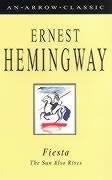
The Sun Also Rises
Ernest Hemingway · 1899–1961 · USA
Why it matters
Expatriates drift from Paris bars to Pamplona's bullring, wounded in ways nobody names. The iceberg style arrives fully formed, and American prose spends the next fifty years sounding like it.
At a glance
Hemingway's spare iceberg style reads simply but withholds most emotional context.
Deep dive
Jake's wound is never named on the page — this dive works through how Hemingway's most famous omissions turn a war injury into the novel's entire emotional architecture.
Written for readers who have finished the book. No plot recap, and nothing here is safe to read first.
Themes & symbolism
The iceberg theory isn't a style choice layered on top of the story — it is the story. Jake's wound, the exact nature of which the novel keeps euphemistic (period censorship demanded it, and Hemingway turned the constraint into method), forecloses any consummation of his love for Brett, and that foreclosure is never mourned directly on the page. Grief, jealousy, and humiliation all get displaced into surface activity: fishing trips to Burguete, expert talk of wine and rivers, and above all the ritualized competence of bullfighting, which the novel calls aficion — a kind of connoisseurship that stands in for emotions its characters have no vocabulary to state plainly. Jake's own code, grace maintained under pressure that cannot be relieved, is the value the novel actually endorses, set against the aimless, cynical drift of the expatriate circle around him.
Brett is the engine of disorder the men orbit — desired by Cohn, engaged to Mike, finally taken up with the teenage bullfighter Romero — but she is also the only character who, in the end, exercises a scruple nobody expected of her. The bullring supplies the novel's controlling metaphor: Romero's clean, unhurried performance under the bull's horns is grace under literal pressure, the exact quality Jake possesses in civilian life and can never spend on the one thing he wants. Cohn, insecure, love-struck, and treated with a casual cruelty by the group that carries real period antisemitism, functions as the group's scapegoat and mirror at once — his open neediness makes visible the wounds everyone else is disciplined enough to hide.
Cohn and the Group's Cruelty
The expatriate circle's treatment of Robert Cohn is the novel's ugliest and most revealing thread. He breaks the group's unwritten rule by wanting things openly — Brett's love, Jake's friendship, an acknowledgment that his brief affair with Brett meant something — and is punished for that transparency with a contempt the narration never fully disowns, laced with slurs about his Jewishness. Hemingway doesn't editorialize the cruelty away, which is exactly what makes it legible as cruelty: Cohn is the one man in the book who hasn't learned to perform the stoic indifference the others have turned into a survival code, and the group closes ranks against the reminder of how much that performance costs.
Expertise as Emotional Language
Jake's long, loving digressions on trout flies, wine labels, and the correct way to watch a bullfight aren't padding — they're the only vocabulary the novel's men trust themselves to speak in. Getting a technical detail right (how a fish should be played, how a matador should work a bull close and slow rather than cheat the danger away) stands in for every feeling too large or too damaged to state plainly. Romero's clean, honest style in the ring versus the showier, cheating technique of a rival matador restates the whole novel's moral hierarchy in purely professional terms: grace, precision, and quiet competence outrank charisma and self-display, and the men who can't tell you what they feel can still tell you, at great length, what good work looks like.
The last seal: what actually happens, and why it lands the way it does.
The ending, explained
After the fiesta collapses into jealousy and a beating (Cohn attacks Romero over Brett), Brett does something out of character for the novel: she sends Romero away rather than, in her words, ruin a nineteen-year-old further, choosing not to marry him despite having nothing else lined up. Broke and stranded in a Madrid hotel, she wires Jake, who comes without hesitation. In the closing exchange, riding together in a taxi, Brett says they could have had such a damned good time together, and Jake answers, "Yes... Isn't it pretty to think so?" The line refuses both tragedy and consolation — it's neither bitter nor healed, just precisely calibrated understatement standing in for a devastation the novel has spent three hundred pages declining to name outright.
Where to go next
 Ernest Hemingway · 1929A Farewell to ArmsLvl 4Fast paced
 Ernest Hemingway · 1952The Old Man and the SeaLvl 3Fast paced
 Robert Olen Butler · 1992A Good Scent from a Strange MountainLvl 4Medium pace
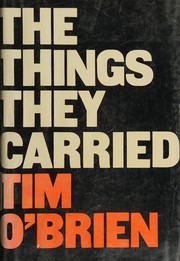 Tim O'Brien · 1990The Things They CarriedLvl 4Medium pace
 Joan Didion · 1970Play It as It LaysLvl 6Fast paced
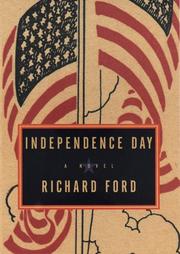 Richard Ford · 1995Independence DayLvl 6Slow burn