
The European Renaissance
The printing press, humanism, and the professional stage remake what literature can be and who can read it.
Gutenberg's press turned literature into a mass medium within a single lifetime, and humanism gave writers permission to put antiquity's forms to new, often irreverent use. Rabelais's Gargantua and Pantagruel is print culture drunk on its own new freedom (giants, lists, and bodily excess deployed against scholastic pomposity) while Montaigne invented the essay outright, turning private self-examination ('what do I know?') into a literary form serious enough to hold all of philosophy.
England's professional, paying theatre gave the era its other great engine: Marlowe's Doctor Faustus staged a scholar's damnation with a new blank-verse grandeur, and Shakespeare, absorbing everything from classical tragedy to Italian romance, took the stage further than anyone had (Hamlet's interiority, Lear's cosmic collapse) before Milton, writing after the theatres had closed under Puritan rule, brought epic's full machinery back to tell one last biblical story in Paradise Lost. Between the printed page and the public stage, this is the direct runway into the novel's own invention a generation later.
How to spot it on the page
- Classical antiquity revived and repurposed on purpose, quoted and answered rather than merely imitated
- The printing press assumed as literature's new, mass-reproducible medium
- A newly private, self-examining voice (the essay's invention) turning introspection into argument
- The professional public stage as a paying, socially mixed venue for serious drama
- Bodily comedy and high philosophy sharing the same page without apology
- Blank verse and soliloquy giving interior thought a new theatrical instrument
What it left behind
The English theatres closed under Puritan rule in 1642 and the continent's religious wars scattered much of this world, but its inventions proved permanent: the essay as a form, print as literature's default medium, and a stage-trained interest in a single mind's interiority all feed directly into the novel that would emerge a generation later. Cervantes and Defoe inherit this era's tools even as they build something the Renaissance itself never quite arrived at.
Defining works
For a guided order with notes, follow the reading path →
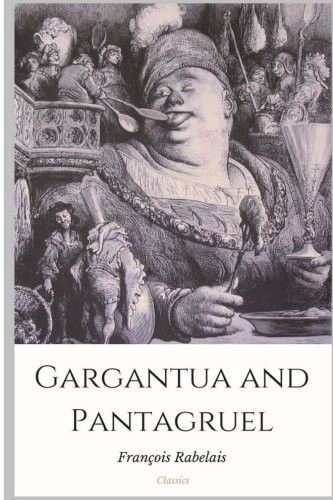
François Rabelais · 1534
Two generations of giants eat, drink, urinate, wage war, and debate philosophy across five anarchic volumes. Renaissance humanism smuggled inside the dirtiest comedy of its century: 'Rabelaisian' still names excess deployed as freedom.

Michel de Montaigne · 1580
Retired to his tower, a French magistrate tries to write down how his own mind actually works: on friendship, cannibals, cowardice, thumbs, death. The invention of the essay, and still the most companionable book in the Western canon.
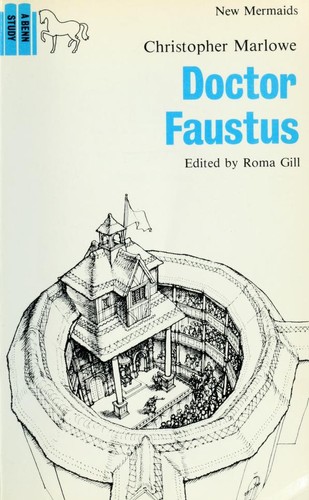
Christopher Marlowe · 1592
A scholar sells his soul for twenty-four years of unlimited knowledge and power, then watches the clock run down onstage in real time. The Faust myth's first great dramatic form, and blank verse discovering it could carry damnation.
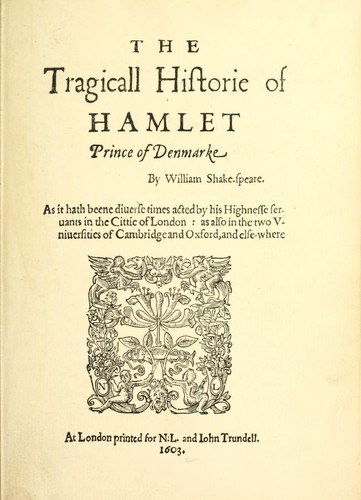
William Shakespeare · 1601
A ghost demands revenge; a prince spends five acts thinking about it. The old blood-revenge plot slowed down around a consciousness so full it changed what characters in fiction could be: the most quoted, performed, and argued-over play in the language.
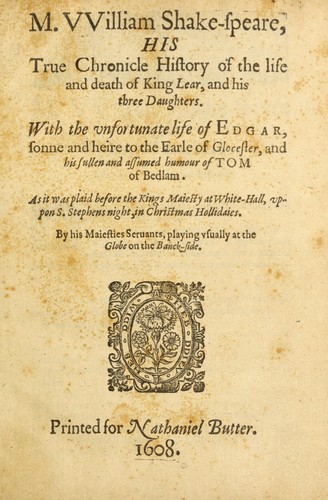
William Shakespeare · 1606
An old king divides his kingdom by demanding declarations of love, banishes the one daughter who won't flatter, and is stripped of everything on a storm-lashed heath. Shakespeare's bleakest tragedy: family, power, and sanity dismantled together.
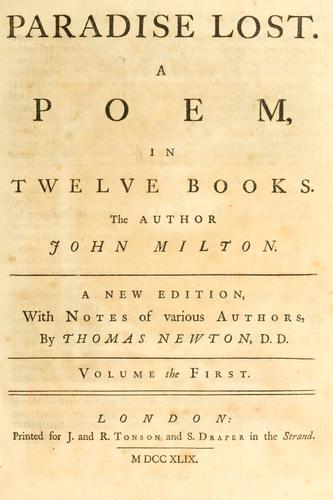
John Milton · 1667
Satan rebels, falls, and talks his way into Eden; Adam and Eve lose paradise knowingly. Genesis retold as cosmic epic by a blind revolutionary, with a devil so magnificent that readers have argued for centuries about whose side the poem is on.
Authors of this movement
 1494–1553François RabelaisFrancestart with Gargantua and Pantagruel
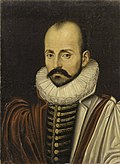 1533–1592Michel de MontaigneFrancestart with The Essays
 1552–1599Edmund SpenserEnglandstart with The Faerie Queene
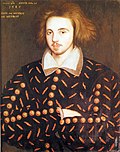 1564–1593Christopher MarloweEnglandstart with Doctor Faustus
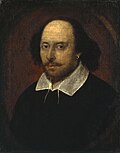 1564–1616William ShakespeareEnglandstart with Hamlet
 1608–1674John MiltonEnglandstart with Paradise Lost