
The Classic Chinese Novel
Vernacular epics of war, banditry, pilgrimage, and one family's decline become China's own novelistic canon.
China's great vernacular novels were written in the spoken language of the marketplace while classical Chinese still held all literary prestige, and their authorship shows it: accretive, often semi-anonymous, growing out of centuries of oral storyteller cycles rather than a single sitting. Luo Guanzhong's Romance of the Three Kingdoms turns dynastic collapse into strategy and betrayal at epic scale; Shi Nai'an's Water Margin gathers 108 outlaws into one sprawling bandit epic; Wu Cheng'en's Journey to the West sends a monk and a trickster monkey across a comic, allegorical pilgrimage.
Pu Songling's Strange Tales from a Chinese Studio distilled the same folk tradition into brief, eerie encounters between scholars and fox spirits, ghosts, and shape-shifters. Cao Xueqin's Dream of the Red Chamber is the tradition's summit: a single aristocratic clan's decline rendered with a psychological interiority and sheer novelistic density that took the vernacular form as far as it would go, a whole doomed world contained inside one garden and one family's fortunes.
How to spot it on the page
- Vernacular, spoken-language prose chosen over classical Chinese's prestige register
- Accretive, often anonymous authorship built up from generations of oral storyteller cycles
- Sworn brotherhoods, bandit gangs, and pilgrim bands standing in for a whole society
- The fantastic (fox spirits, ghosts, immortals) treated as simply part of the furniture
- A single household's decline used to hold an entire social world in miniature
- Verse interludes and storyteller's asides breaking into the prose narrative
What it left behind
Lu Xun wrote the first scholarly history of Chinese fiction and placed these novels at its center, canonizing what literati had long dismissed as low entertainment. Modern Chinese fiction, from Lu Xun's own scalpel-sharp stories to Mo Yan's village epics, builds directly on their vernacular ambition and appetite for the fantastic; Dream of the Red Chamber alone spawned a whole scholarly discipline, redology, still active today.
Defining works
For a guided order with notes, follow the reading path →
Luo Guanzhong · 1400
The Han empire's collapse into three warring kingdoms unfolds through oath-bound brothers, scheming warlords, and battlefield strategists across a cast of hundreds. One of the Four Great Classical Novels, and the wellspring of Chinese historical and strategy fiction ever since.
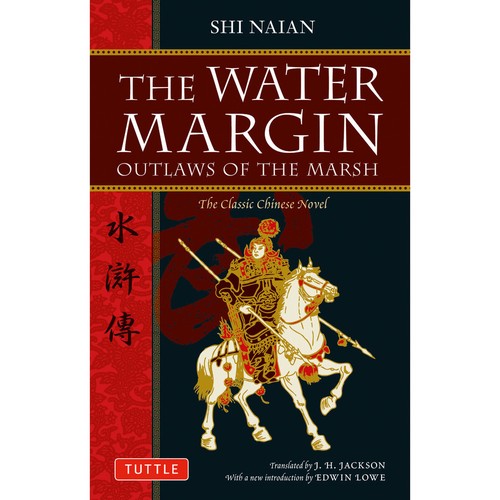
Shi Nai'an · 1370
108 outlaws, driven from society by corrupt officials, band together at a marsh stronghold in a sprawling epic of brotherhood and rebellion. One of the Four Great Classical Novels, and the ancestor of Chinese martial fiction.
Wu Cheng'en · 1592
A monk, a mischievous immortal monkey, and their fellow pilgrims cross demon-haunted lands to retrieve Buddhist scripture from India. China's most beloved story, endlessly retold in opera, film, and animation ever since.
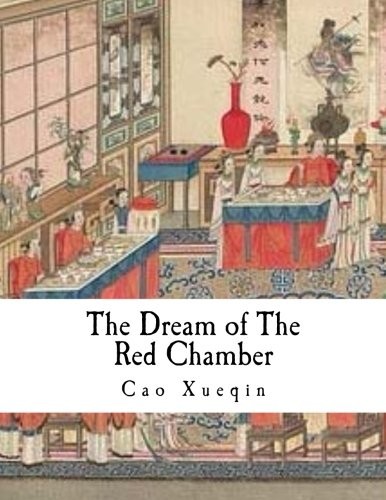
Cao Xueqin · 1791
A great Qing household declines through the doomed love of its pampered heir, amid hundreds of characters and the whole Confucian world. China's supreme classic novel, left unfinished at Cao's death: melancholy, encyclopedic, endlessly reread.
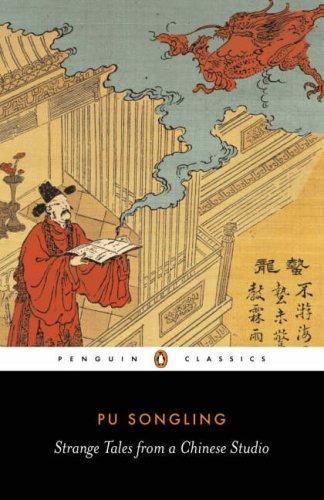
Pu Songling · 1766
Nearly five hundred tales of fox spirits, ghosts, and shape-shifters use the supernatural to needle corrupt officials and unjust marriages in Qing-dynasty China. Compact, polished classical prose housing some of Chinese literature's wildest incident.


