
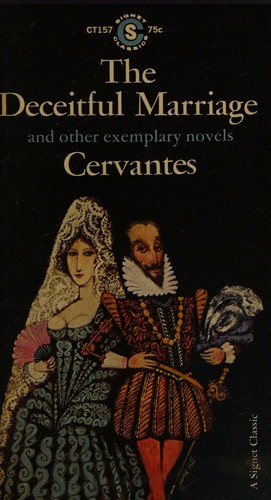
The Exemplary Novels
Miguel de Cervantes · 1547–1616 · Spain
Originally Novelas ejemplares (Spanish)
Why it matters
Twelve short novels, gypsy girls, jealous merchants, talking dogs, published between Don Quixote's two parts to prove the form could work at any length. Cervantes basically imports the Italian novella into Spanish and makes it his own.
At a glance
Twelve tonally varied tales in period Spanish idiom, best read a few at a time.
Deep dive
Twelve novellas Cervantes wrote in the years between the two parts of Don Quixote, ranging from Seville's criminal underworld to a lawyer who becomes convinced his own body is made of glass.
Written for readers who have finished the book. No plot recap, and nothing here is safe to read first.
Themes & symbolism
Cervantes opens the Novelas ejemplares by claiming to be the first author to write original novellas in Castilian rather than adapt them from Italian, and the twelve stories he assembled argue the claim by refusing to settle into one mode. Half lean toward the idealized romance then fashionable in Spain, shipwrecks, disguised nobility, love tested by improbable journeys, while the other half work the ground Cervantes had already claimed in Don Quixote: taverns, thieves, a Spain observed at street level rather than through a chivalric lens. He calls the collection exemplary and means it two ways at once, morally instructive and formally new, and that tension runs the whole book.
Rinconete y Cortadillo drops two teenage runaways, Rincón and Cortado, into Seville's organized crime guild under Monipodio, a fence who runs theft, assault, and extortion with the bureaucratic fussiness of a guild master collecting dues and settling disputes. Cervantes plays the scene for comedy, but the joke depends on how precisely the criminal underworld mirrors the respectable one just outside it, contracts, hierarchy, professional pride, minus the law's sanction. El licenciado Vidriera runs the opposite experiment: Tomás Rodaja, poisoned by a spurned woman's love potion, becomes convinced his body is made of glass, and the delusion, rather than silencing him, makes him Spain's most sought-after wit, since a man who might shatter can say to noblemen's faces what no sane subject would risk. Cured, he goes back to being an ordinary, ignorable lawyer, and nobody wants his opinion anymore.
The Deceitful Marriage and Two Talking Dogs
El casamiento engañoso frames the collection's strangest piece as a document rather than a story: a soldier named Campuzano, recovering in a Valladolid hospital from an illness caught after a swindled marriage, hands a friend a manuscript claiming to transcribe an entire night's conversation between two hospital watchdogs, Cipión and Berganza, who have somehow gained human speech until dawn. Berganza narrates his life through a string of masters, a butcher, a flock of sheep he's meant to guard, a company of actors, a witch who claims she can turn herself into an animal, turning the dogs into the sharpest satirists in the whole book precisely because nobody they describe expects an animal to be listening. The friend who reads the manuscript refuses outright to believe dogs ever spoke, and Cervantes closes the collection on that refusal, a joke about how much of anyone's storytelling deserves to be trusted at all.
A House Built With No Windows in El celoso extremeño
Carrizales, an old man returned wealthy from the Indies, marries a girl decades younger and tries to build his jealousy directly into architecture, a house with no street-facing windows and no male servant under seventy. A determined young suitor defeats the plan anyway by tunneling through an adjoining wall, and the story's real shock isn't the affair but Carrizales's reaction to discovering it: he blames his own possessiveness rather than his wife, forgives her, and leaves her his fortune before dying of the grief, a resolution severe enough that Cervantes is thought to have softened an even harsher draft before publication.
Where to go next
 Miguel de Cervantes · 1585La GalateaLvl 6Slow burn
 Miguel de Cervantes · 1605Don QuixoteLvl 6Medium pace
 Miguel de Cervantes · 1617The Trials of Persiles and SigismundaLvl 6Fast paced
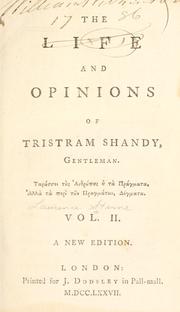 Laurence Sterne · 1759The Life and Opinions of Tristram Shandy, GentlemanLvl 9Slow burn
 Jonathan Swift · 1726Gulliver's TravelsLvl 5Medium pace
 Henry Fielding · 1749Tom JonesLvl 5Fast paced