
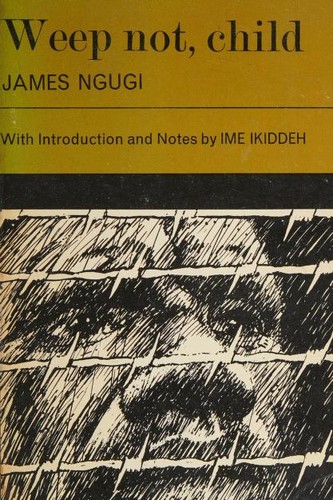
Weep Not, Child
Ngũgĩ wa Thiong'o · b. 1938 · Kenya
Why it matters
Njoroge dreams of an education that will lift his family and his country, as the Mau Mau Emergency tears through the land his father farms for a British settler. East Africa's first English-language novel published by a native writer, and Ngũgĩ's tenderest study of hope curdled by colonial violence.
At a glance
Spare, accessible prose narrated through a child's hopeful, then devastated, point of view.
Deep dive
Njoroge is the first in his family sent to school, carrying his whole family's hope for the land the British took, while his older brothers choose a very different kind of answer to the same theft.
Written for readers who have finished the book. No plot recap, and nothing here is safe to read first.
Themes & symbolism
Ngotho works as a squatter on land in the Kenyan highlands that legally belongs to the settler Mr. Howlands but that Ngotho still considers, on a level no colonial deed can touch, his family's ancestral ground. Ngũgĩ builds the whole novel out of that unresolved double claim, Howlands's paper title against Ngotho's inherited, unwritten one, and lets it split Ngotho's own household: one son, Boro, radicalized by fighting for the British in the Second World War only to come home to more dispossession, joins the Mau Mau's armed resistance, while Njoroge, the youngest, is sent to school on the family's collective hope that education, not the gun, will be the instrument that eventually wins the land back.
Njoroge's friendship, and tentative romance, with Mwihaki crosses the same line dividing Boro's war from Ngotho's patience: her father Jacobo is a loyalist chief who collaborates with the colonial administration, making the children's affection for each other a small, private version of the larger conflict tearing the ridge apart. Ngũgĩ treats Njoroge's faith in schooling with real sympathy and real skepticism at once, a belief that reads as both the most dignified response available to a colonized child and a kind of willful blindness to how quickly the emergency's violence is going to overtake any peaceful timetable for change.
As the British declare a state of emergency and the counterinsurgency against the Mau Mau intensifies, the ridge's ordinary domestic textures, school fees, church attendance, land disputes, get steadily overtaken by curfews, detentions, and interrogations, and Ngũgĩ narrates the shift through a child's-eye view that makes the violence land as disruption of the everyday rather than as distant news. The novel's insistence on staying close to Njoroge's limited understanding is the point: colonial violence in Weep Not, Child is measured less in body counts than in how completely it corrodes one boy's ability to keep believing that studying hard will be enough.
A Title Borrowed, and Answered, from Whitman
Ngũgĩ takes his title from Walt Whitman's 'On the Beach at Night', a poem offering a child comfort against cosmic loss, and then spends the whole novel testing whether that comfort actually survives being relocated to colonial Kenya. By the final chapters, the gap between Whitman's reassurance and what Ngũgĩ's own child protagonist actually experiences has become the novel's bleakest irony, a borrowed lullaby that the book's events make impossible to sing straight.
The last seal: what actually happens, and why it lands the way it does.
The ending, explained
Ngotho is detained and tortured by colonial forces investigating Mau Mau activity and dies from his injuries, Njoroge's schooling collapses when his family's suspected involvement in the resistance gets him expelled, and Mwihaki, grieving her own family's compromises, rejects Njoroge's plan that they simply leave the conflict behind together. Stripped in quick succession of his father, his education, and the one relationship that offered an escape from all of it, Njoroge attempts suicide by hanging and is found and cut down at the last moment by his mothers. The novel ends with him alive but hollowed out, his faith in education as a path out of colonial injustice not so much refuted as simply outrun by events too violent for any curriculum to address.
Where to go next
 Ngũgĩ wa Thiong'o · 1965The River BetweenLvl 4Medium pace
 Ngũgĩ wa Thiong'o · 1967A Grain of WheatLvl 6Slow burn
 Ngũgĩ wa Thiong'o · 1977Petals of BloodLvl 6Medium pace
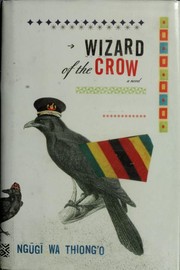 Ngũgĩ wa Thiong'o · 2006Wizard of the CrowLvl 7Medium pace
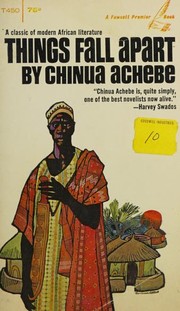 Chinua Achebe · 1958Things Fall ApartLvl 4Medium pace
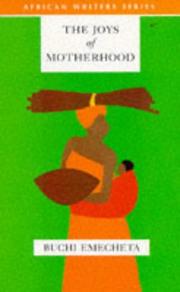 Buchi Emecheta · 1979The Joys of MotherhoodLvl 4Medium pace