
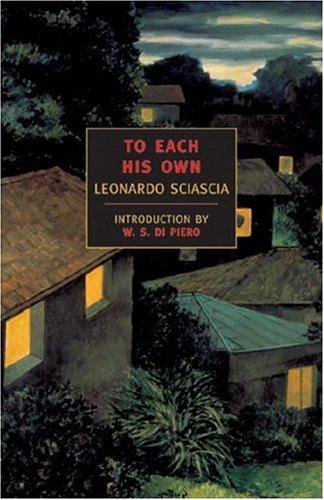
To Each His Own
Leonardo Sciascia · 1921–1989 · Italy
Originally A ciascuno il suo (Italian)
Why it matters
A Sicilian pharmacist's murder is quietly solved by a schoolteacher who then discovers no one wants the truth told. Sciascia's precise, furious anatomy of mafia omertà and small-town complicity.
At a glance
A short, clear-eyed procedural, though its irony rewards close attention.
Deep dive
How a small Sicilian town closes ranks around a double murder that a threatening letter was only ever meant to explain in part.
Written for readers who have finished the book. No plot recap, and nothing here is safe to read first.
Themes & symbolism
Pharmacist Manno receives an anonymous letter, assembled from words clipped out of a newspaper and signed only with the Latin motto 'unicuique suum,' to each his own, threatening his life, and when he and his hunting companion Dr. Roscio are shot dead soon after, the whole town assumes the letter explains the killing: an old vendetta against Manno, a womanizer with enemies of his own making. Sciascia's real subject is exactly this assumption's convenience, everyone in town has a version of the murder that requires nothing further from them, and the version that gets believed is the one that costs the fewest people anything.
Paolo Laurana, a mild, socially awkward schoolteacher with no official standing to investigate anything, starts pulling the thread almost by accident and finds that the letter, the ostensible reason for Manno's death, was never really about Manno at all: Dr. Roscio, the hunting companion everyone assumed was collateral, was the actual target, murdered to cover an affair between his wife and a powerful local lawyer with connections reaching into the mafia's political arrangements. Laurana's amateur method, patient, literal-minded, wholly without institutional protection, is Sciascia's ironic answer to the professional investigators who never come close: only someone with nothing to lose in the town's power structure would keep pulling once the convenient answer was available.
A Motto Traced to the Wrong Grave
Laurana's breakthrough comes from tracking the Latin phrase on the threatening letter to its source, a gravestone inscription, and matching the clipped typeface to a specific missal only a handful of people in town would own, a piece of genuinely deductive, old-fashioned detective work Sciascia stages with real procedural pleasure even as he makes clear the town has no interest in where the deduction leads. The letter, meant by its author to look like the reason for the killing, becomes instead the one piece of physical evidence precise enough to unravel the killing's actual reason.
Omertà Without a Single Threat Spoken Aloud
No one in the novel ever tells Laurana directly to stop asking questions: the town's resistance operates entirely through polite evasion, unfinished sentences, and a lawyer, Rosello, who remains charming and helpful right up until the investigation reaches him specifically. Sciascia's version of omertà is quieter and more total than an explicit code of silence, a social fabric that simply declines, at every level, to notice what it would be inconvenient to notice, which makes the eventual outcome feel less like a conspiracy than like weather.
The last seal: what actually happens, and why it lands the way it does.
The ending, explained
Laurana gets close enough to the truth, the affair, the lawyer, the political cover extending upward through people the town depends on, that he becomes a liability rather than a curiosity, and he disappears without the novel showing what happened to him. The explanation the town settles on afterward, that the shy, unmarried schoolteacher must have simply run off with a woman, is exactly the kind of convenient, face-saving story the book has spent its length showing the town manufacture on demand. Sciascia denies Laurana even the dignity of being mourned as a victim: the same social machinery that absorbed Manno and Roscio's murder absorbs his disappearance too, filing it under a story everyone can live with instead of the one that's true.
Where to go next
 Leonardo Sciascia · 1961The Day of the OwlLvl 4Fast paced
 Luigi Pirandello · 1904The Late Mattia PascalLvl 5Medium pace
 Antonio Tabucchi · 1994Pereira MaintainsLvl 4Medium pace
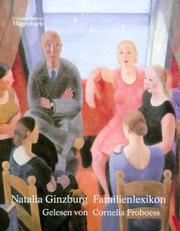 Natalia Ginzburg · 1963Family LexiconLvl 4Medium pace
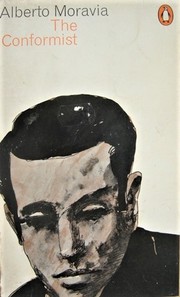 Alberto Moravia · 1951The ConformistLvl 5Medium pace
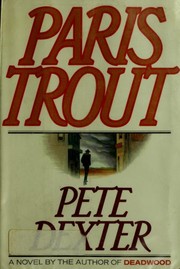 Pete Dexter · 1988Paris TroutLvl 4Fast paced