
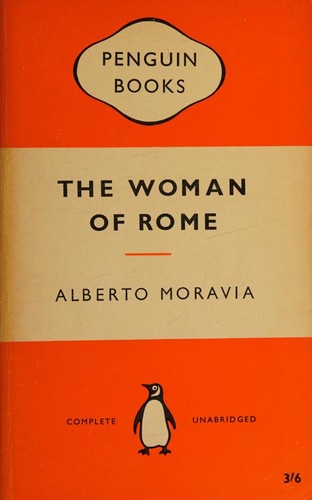
The Woman of Rome
Alberto Moravia · 1907–1990 · Italy
Originally La romana (Italian)
Why it matters
A beautiful young Roman woman drifts into prostitution with startling emotional detachment, observing her own exploitation almost clinically. Moravia's frank, unsentimental study of desire and social survival under fascism.
At a glance
Plain, clinical first-person narration despite its morally complex subject.
Deep dive
Moravia hands a working prostitute in fascist Rome complete command of her own account, and lets that clarity expose exactly whose hypocrisy the reader should really be measuring.
Written for readers who have finished the book. No plot recap, and nothing here is safe to read first.
Themes & symbolism
Adriana narrates her own passage from artist's model to prostitute in the plainest possible terms, pushed toward both trades by a mother who treats her daughter's beauty as the family's only real asset, and Moravia gives her a clarity about her own choices that the society around her, obsessed with respectability while running on the same transactions, never earns for itself. She never asks the reader for pity, and the refusal is the novel's method: shame belongs to the people who need Adriana's profession to exist and then despise her for supplying it.
Mino, a young anti-fascist intellectual active in an underground resistance circle, is the one man Adriana loves rather than simply tolerates, and Moravia makes their relationship a study in mismatched clarity: Adriana knows exactly what she is and what she wants, while Mino, tortured by ideological conviction, self-doubt, and a courage he isn't sure he actually has, can barely commit to his own politics, let alone to her.
Astarita, a fascist police official whose obsession with Adriana curdles into an abuse of his own official power, and Sonzogno, a violent former boxer and small-time criminal Adriana also becomes entangled with, frame Mino's idealism from opposite directions, one man weaponizing the state against her, the other embodying exactly the brutality outside the law the state claims to be protecting anyone from. Adriana moves between all three men without illusions about any of them, which is precisely what lets the novel use her as its clearest lens on a Rome where power, sex, and violence keep turning out to be versions of each other.
A Prostitute's Honesty Against a Regime's Corruption
Moravia sets Adriana's frank commerce with her own body against Mussolini's Italy's official machinery of surveillance, informants, and enforced respectability, and lets the comparison do the political work the novel never states outright: Astarita's abuse of police power to pursue both Adriana and Mino's resistance circle is corruption dressed as order, while Adriana's transactions, priced and named honestly, never pretend to be anything but what they are. The novel's real target isn't a woman who sells sex for money, it's a fascist state that sells loyalty and morality for the same reason and calls it virtue.
The last seal: what actually happens, and why it lands the way it does.
The ending, explained
Mino's resistance circle collapses under pressure Astarita has helped apply, and consumed by guilt over what he believes is his own failure to his comrades, more than any single act of betrayal the novel confirms outright, he takes his own life. Sonzogno, already a fugitive after murdering a man in the criminal underworld Adriana has been skirting throughout the book, is arrested soon after, leaving Adriana alone and pregnant by one of the two men who have defined her final months. Moravia ends the novel not on despair but on Adriana's flat, undramatic decision to keep the child and go on, the same unshaken clarity that has carried her through prostitution and grief now turned toward the one commitment in the book nobody pressured her into making.
Where to go next
 Alberto Moravia · 1951The ConformistLvl 5Medium pace
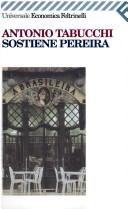 Antonio Tabucchi · 1994Pereira MaintainsLvl 4Medium pace
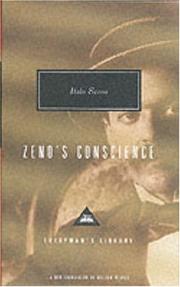 Italo Svevo · 1923Zeno's ConscienceLvl 6Medium pace
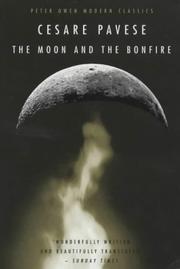 Cesare Pavese · 1950The Moon and the BonfiresLvl 6Slow burn
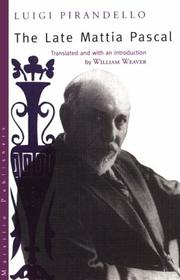 Luigi Pirandello · 1904The Late Mattia PascalLvl 5Medium pace
 Gabriele D'Annunzio · 1889The Child of PleasureLvl 6Slow burn