
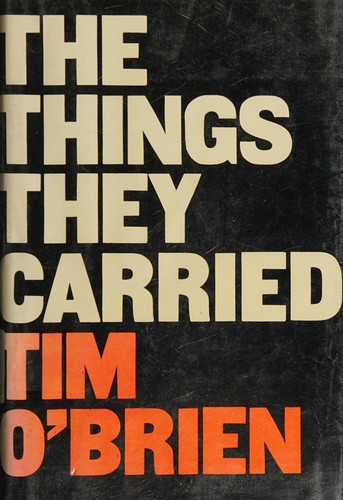
The Things They Carried
Tim O'Brien · b. 1946 · United States
Why it matters
Soldiers hump grief, guilt, and physical gear alike through Vietnam, in linked stories that blur what actually happened with what feels more true than fact. O'Brien's genre-defying masterpiece reinvented how war fiction could tell the truth by lying.
At a glance
Clear prose, though its blurred fact-and-fiction structure demands attention.
Deep dive
Why Tim O'Brien, the narrator sharing his author's name and biography, insists on telling you which parts of this book about Vietnam he made up, and why that insistence is the whole point.
Written for readers who have finished the book. No plot recap, and nothing here is safe to read first.
Themes & symbolism
The narrator shares Tim O'Brien's name, hometown, and drafted-against-his-will biography, and the book spends its length daring the reader to treat that overlap as a guarantee of truth before systematically revoking it. "How to Tell a True War Story" states the book's argument outright: a true war story, O'Brien insists, is never about war exactly, and if a story seems moral or uplifting, don't believe it, because a true war story is never moral, and the surest sign a detail is invented is that it sounds too neatly meaningful to be real.
"The Man I Killed" describes, in obsessive, static detail, a young Vietnamese soldier's corpse, his shattered eye, his jaw in his throat, then O'Brien later admits, in "Good Form," that he didn't kill the man at all, that the whole scene was assembled to make a reader feel what happened rather than to report what happened. That admission doesn't cancel the earlier chapter, it reframes the entire book's method: emotional truth and happening-truth are treated as genuinely different categories, and O'Brien chooses the former on purpose, story after story.
"Speaking of Courage" follows Norman Bowker driving loops around a lake back home, unable to tell anyone what happened the night Kiowa was lost in a field of sewage, and a later chapter reveals O'Brien wrote and revised that story at Bowker's own request, before Bowker wrote to say the story wasn't quite right and the truth was worse. The book keeps stacking these layers, a story, then its correction, then the correction's own uncertain status, until the reader stops trusting any single version and starts trusting the process of telling instead.
Twenty Years Later and Still a Draft Dodger's Guilt
"On the Rainy River" recounts O'Brien's summer at a fishing lodge on the Canadian border, seriously weighing draft evasion before an old innkeeper named Elroy Berdahl silently drives him to the river's edge and back without ever forcing a decision. O'Brien goes to Vietnam not from conviction but from what he calls simple cowardice, embarrassment at disappointing his hometown, and the chapter's candor about that motive is the book's clearest evidence that its narrator is willing to make himself look worse, not better, in service of something closer to the truth.
Kiowa's Loss Told Four Different Ways
The platoon's loss of Kiowa in a flooded field gets narrated and renarrated across several chapters, "Speaking of Courage," "Notes," "In the Field," each version assigning different weight to who's responsible, Bowker's hesitation, the field's location on a former latrine, O'Brien's own decision to camp there. Rather than settling on one account, the book treats the multiplicity itself as the honest report: memory under that kind of pressure doesn't converge on a single version, it keeps generating new ones.
Where to go next
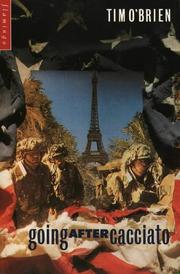 Tim O'Brien · 1978Going After CacciatoLvl 5Medium pace
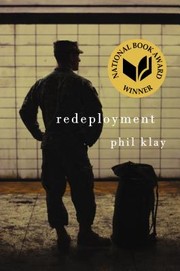 Phil Klay · 2014RedeploymentLvl 4Fast paced
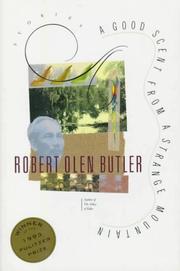 Robert Olen Butler · 1992A Good Scent from a Strange MountainLvl 4Medium pace
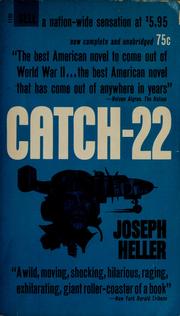 Joseph Heller · 1961Catch-22Lvl 6Medium pace
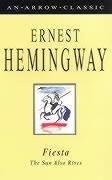 Ernest Hemingway · 1926The Sun Also RisesLvl 4Fast paced
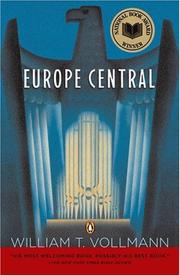 William T. Vollmann · 2005Europe CentralLvl 9Slow burn