
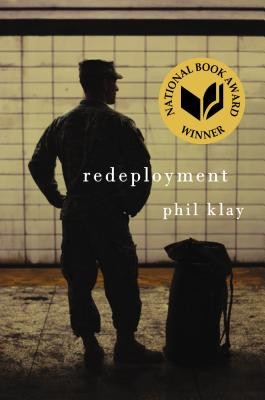
Redeployment
Phil Klay · b. 1983 · United States
Why it matters
Twelve linked stories rotate through grunts, chaplains, and mortuary affairs officers, each grappling differently with combat's violence and an even harder homecoming. Klay's National Book Award winner became a defining literary document of the Iraq War.
At a glance
Direct, plainspoken prose despite unflinching violence and shifting narrators story to story.
Deep dive
Twelve narrators, a grunt, a chaplain, a mortuary affairs officer, a civil affairs contractor, cover the Iraq War from every job it actually required, combat being only one of them.
Written for readers who have finished the book. No plot recap, and nothing here is safe to read first.
Themes & symbolism
The collection's title story opens on a flat, declarative line, the narrator's unit shooting stray dogs that had taken to eating corpses around Fallujah, and Klay spends the rest of the story tracing that same soldier's return home, where the only available outlet for what he's carrying is putting down his own family's ailing dog in a strip-mall parking lot, one more killing he has to perform competently because someone has to.
Prayer in the Furnace follows a Navy chaplain assigned to a company he comes to believe is committing atrocities under a command with no interest in hearing about it, and Klay uses the mismatch between the chaplain's actual training, meant for grief and doubt, and the criminal complicity he's stumbled into, to show how poorly the military's existing structures for morale answer the war's real problems. Money as a Weapons System works the same argument through absurdist comedy instead of horror: a State Department contractor tries to fund a girls' baseball league in an Iraqi village and finds every sensible plan strangled by procurement rules, competing agency mandates, and superiors more interested in projects that photograph well than ones that work.
After Action Report puts Lance Corporal Ozzie Suba in an impossible position: after his friend Timhead panics and shoots a thirteen-year-old boy, Suba tells command he fired the fatal round instead, and Klay spends the story on the strange mercy of that lie, a man absorbing a killing that wasn't his so a friend won't have to carry it. Ten Kliks South, which Klay places last in the book, follows a green artilleryman outside Fallujah who helped fire on a target ten kilometers south and, naively assuming the bodies get recovered and counted, goes looking for them, only to be told by a mortuary sergeant that no one is coming back for the dead; ending the collection on that failed search rather than on combat itself makes distance from a killing its own kind of unfinished business. Twelve narrators rotate through twelve different jobs across the book, chaplain, contractor, artilleryman, mortuary affairs officer, infantryman, so that no single role stands in for what deployment was; the structure itself argues that even inside one war, one uniform, there was no single experience to report on.
Killing Dogs Twice: Fallujah and the Strip Mall
Klay never states the parallel outright, letting the story's flat, procedural tone carry both killings in the same register, so the reader has to notice on their own that a soldier trained to treat one kind of killing as routine can't simply switch that training off once he's home holding a leash instead of a rifle.
The Chaplain's Doctrine Against the Command's Silence
The chaplain's seminary training gives him a vocabulary for sin and confession but nothing built for reporting a war crime up a chain of command actively uninterested in receiving it, and Klay uses that gap to argue that the military's spiritual apparatus was built for a much smaller, older kind of war than the one it's actually being asked to serve.
Where to go next
 Tim O'Brien · 1990The Things They CarriedLvl 4Medium pace
 Robert Olen Butler · 1992A Good Scent from a Strange MountainLvl 4Medium pace
 Denis Johnson · 1992Jesus' SonLvl 6Fast paced
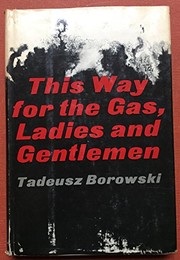 Tadeusz Borowski · 1948This Way for the Gas, Ladies and GentlemenLvl 5Medium pace
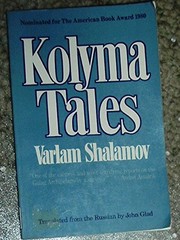 Varlam Shalamov · 1966Kolyma TalesLvl 5Medium pace
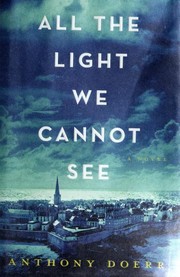 Anthony Doerr · 2014All the Light We Cannot SeeLvl 4Fast paced