
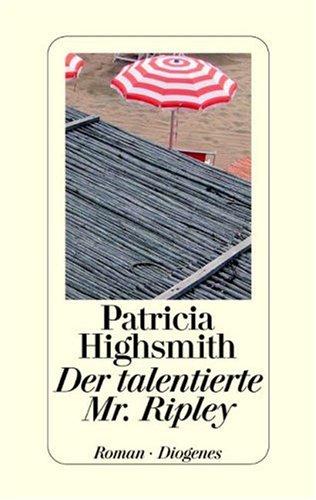
The Talented Mr. Ripley
Patricia Highsmith · 1921–1995 · United States
Why it matters
A charming young man murders his friend, assumes his identity, and starts building a new life on the dead man's fortune and name. Highsmith makes us root for the killer: guilt-free amorality rendered so seductively it implicates the reader.
At a glance
Fast, clean prose keeps this psychologically unsettling thriller easy to read.
Deep dive
A poor, resourceful young man is sent to bring a wealthy expatriate home from Italy, and Highsmith tracks exactly how identity envy curdles into something else entirely — a study in charm with the moral floor removed.
Written for readers who have finished the book. No plot recap, and nothing here is safe to read first.
Themes & symbolism
Highsmith's real subject isn't crime, it's covetousness taken to its logical end: Tom doesn't want to sleep with Dickie Greenleaf so much as become him, and the novel is scrupulous about keeping that distinction blurred, since Tom himself can't fully separate the two. His fixation surfaces first as mimicry — trying on Dickie's rings, his clothes, practicing his signature in a hotel room mirror before any crime has been imagined — so that the eventual impersonation reads less like an improvised cover story than the fulfillment of a wish Tom has been rehearsing all along. Money and class run underneath every scene: Tom's shame about his own drab, unmoneyed background and his dead parents, his hunger for Dickie's unearned ease and beautiful Italian idleness, make his violence legible as the sharpest possible response to being permanently on the outside of a world that only ever offers him a visitor's pass.
The novel's most radical move is formal rather than thematic: it stays locked in Tom's point of view and simply declines to supply the moral machinery — guilt, detection, punishment — that crime fiction is built on. Highsmith gives Tom moments of anxiety and even a flicker of something like remorse after killing Dickie, but they pass, replaced by the pure practical pleasure of problem-solving: managing bank clerks, forging letters, keeping two identities' timetables straight. That the prose lets us enjoy his competence exactly the way a caper novel wants us to enjoy a heist is the book's quiet act of readerly implication — we are rooting, chapter after chapter, for a murderer to get away with it, and Highsmith never once signals that we shouldn't.
Highsmith, Concealment, and the Queer Subtext
Tom's desire for Dickie has no vocabulary available to it in 1955 beyond envy and obsession, and critics have long read the murder and impersonation as displaced expressions of a longing the novel can't let speak its name directly — Tom doesn't get to want Dickie, so he takes him instead, becoming him being the only intimacy the plot allows. Highsmith, a closeted lesbian who wrote pulp lesbian fiction under a pseudonym the same decade, understood concealment as a survival skill from the inside, and Ripley's genius for constructing and maintaining a false but functional self reads as a dark, exaggerated version of a skill she'd had to practice in her own life. The five-book Ripley series that followed only deepened this: each sequel lets Tom settle further into wealth, taste, and a marriage of convenience, sociopathy fully domesticated into an enviable European life.
The last seal: what actually happens, and why it lands the way it does.
The ending, explained
Tom's cover holds because he manages both the practical work — forging a will that leaves him a comfortable share of Dickie's estate, keeping Dickie's and his own movements straight under police and a suspicious Marge's scrutiny — and the psychological work of simply not cracking, staying plausible under pressure that would break a less controlled narrator. He kills a second time, Dickie's friend Freddie Miles, purely to protect the fiction, and even that murder is absorbed without consequence. The novel's final pages find him arriving by ship into Greece, freshly wealthy, glancing toward the dock for police he half-expects and doesn't find. That anticlimax is the point: no reckoning arrives, no detective closes in, guilt never metastasizes into confession. Highsmith ends on Tom's relief rather than his punishment, confirming that his amorality has simply worked, a resolution contemporary readers found genuinely shocking precisely because it refuses crime fiction's usual moral bookkeeping.
Where to go next
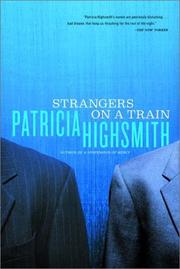 Patricia Highsmith · 1950Strangers on a TrainLvl 4Fast paced
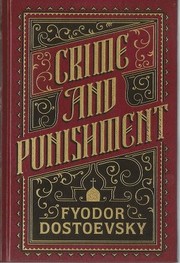 Fyodor Dostoevsky · 1866Crime and PunishmentLvl 6Fast paced
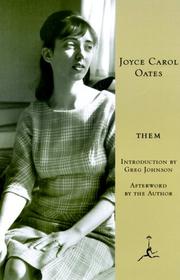 Joyce Carol Oates · 1969themLvl 6Medium pace
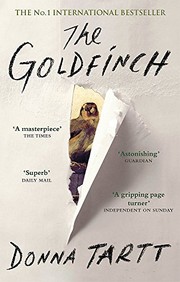 Donna Tartt · 2013The GoldfinchLvl 5Fast paced
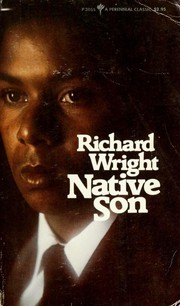 Richard Wright · 1940Native SonLvl 5Fast paced
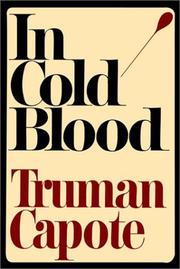 Truman Capote · 1966In Cold BloodLvl 5Fast paced