
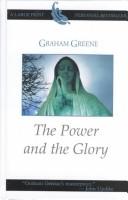
The Power and the Glory
Graham Greene · 1904–1991 · England
Why it matters
A whisky priest, corrupt and doubting, is hunted through anticlerical Mexico while wrestling with whether a man this compromised can still carry any grace at all. Greene finds sanctity in a man convinced of his own worthlessness: the definitive Catholic novel of grace in the gutter.
At a glance
Spare, tense prose carries heavy theological weight beneath a chase-novel surface.
Deep dive
A priest with an illegitimate daughter, a drinking problem, and total certainty of his own damnation keeps performing the sacraments anyway — Greene's case that holiness might not require the man carrying it to be worthy of it.
Written for readers who have finished the book. No plot recap, and nothing here is safe to read first.
Themes & symbolism
The whisky priest's self-loathing is the engine of his holiness rather than an obstacle to it: he has an illegitimate daughter, drinks himself sick, and is certain of his own damnation, yet keeps performing baptisms and confessions for people who need them right up to the end. Greene sets him against Padre José, the priest who capitulated, married, and lives on mocked by children in the street but physically safe — institutional and personal survival, the novel argues, usually require exactly the compromises that void spiritual authority, while the doomed, self-hating outsider who never stops acting like a priest keeps his almost by accident.
The lieutenant hunting the priest is no cartoon persecutor but a sincere idealist, genuinely convinced that eliminating the church's hold over the poor will do more good than any sacrament — Greene gives him real moral seriousness because the novel's argument depends on grace surviving contact with an opponent who isn't simply evil. The mestizo who finally betrays the priest for reward money is a doubled, self-aware Judas, sweating and begging forgiveness even as he sells him out, unable to stop needing the man he's destroying — the clearest sign in the book that faith doesn't require its object to be worthy, only present.
Greene structures the chase itself around a series of ordinary people who risk everything to shelter the priest anyway — a family hiding him for a night, a jailer looking away, villagers who bring their children to be baptized in secret — none of them especially devout or well-drawn as heroes, simply people who keep choosing him over their own safety for reasons the novel never asks them to explain. That accumulation of small, unglamorous risk matters more to the book's argument than the priest's own crisis of faith; the church, such as it survives here, is made of exactly this kind of unremarkable, unrewarded loyalty.
History Behind the Novel
Greene wrote the book after traveling through Tabasco and Chiapas during Mexico's anticlerical persecution of the 1920s and '30s, when the Calles government closed churches and executed or expelled clergy across entire states. The novel's premise — one of the last priests left in a region, being systematically hunted — is grounded in reported fact rather than invented extremity, which is part of why its portrait of grace surviving under organized state hostility carries the weight it does.
The last seal: what actually happens, and why it lands the way it does.
The ending, explained
The priest is finally caught after the mestizo lures him across the border with a story, probably false, about a dying man needing last rites — he suspects the trap and goes anyway, because refusing would mean abandoning the one thing he still believes he's for. He's executed by firing squad without the dramatic martyrdom he always assumed himself too unworthy to deserve, dying mostly afraid and regretful about how little he did with his faith rather than exalted. That same night, a stranger knocks at a believer's door and identifies himself as a priest — another one, arrived to continue exactly what's just been extinguished. The church persists underground regardless of any single priest's worth or failure, which was the point all along: holiness was never actually about the man.
Where to go next
 Graham Greene · 1938Brighton RockLvl 5Fast paced
 Graham Greene · 1950The Third ManLvl 3Fast paced
 Graham Greene · 1951The End of the AffairLvl 5Medium pace
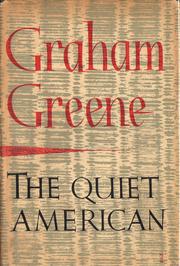 Graham Greene · 1955The Quiet AmericanLvl 5Medium pace
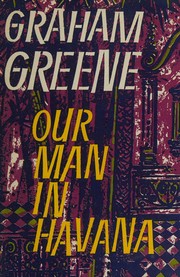 Graham Greene · 1958Our Man in HavanaLvl 4Fast paced
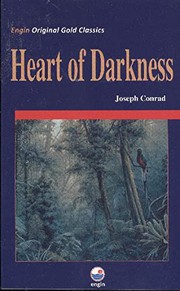 Joseph Conrad · 1899Heart of DarknessLvl 7Slow burn