
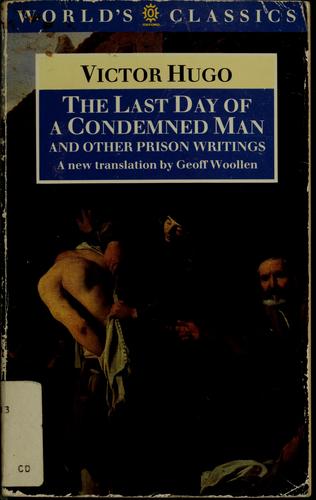
The Last Day of a Condemned Man
Victor Hugo · 1802–1885 · France
Originally Le Dernier Jour d'un condamné (French)
Why it matters
A prisoner counts down his final hours before the guillotine in raw first-person present tense, with no name, no stated crime, and no plot but dread itself: Hugo's early, furious pamphlet-novel against capital punishment.
At a glance
Short and claustrophobic, with almost no plot beyond dread itself.
Deep dive
A prisoner never named, guilty of a crime never stated, narrates the weeks before his execution in real time, and Hugo built the anonymity itself into the argument against the guillotine.
Written for readers who have finished the book. No plot recap, and nothing here is safe to read first.
Themes & symbolism
Hugo withholds his narrator's name and his crime on purpose: give the reader a sympathetic backstory or a monstrous one and the novel becomes a referendum on this particular man's guilt, which is exactly the debate Hugo wants to short-circuit. By making the condemned man a blank, any reader can occupy the cell, and the argument stops being about who deserves the guillotine and becomes only about what the state does to a person regardless of desert, an anonymity that is the whole polemic rather than a stylistic gap.
The diary form, written in the first-person present as the hours count down, traps the reader in real time alongside him rather than letting a narrator survey the ordeal from safety afterward; there is no distance to retreat into, since the entries are being written, in the fiction, as close to the moment of feeling as language allows. Hugo had barely any interest in plot when he wrote this at twenty-six, and the absence of one is the point: dread, administered on a schedule, is the entire subject.
The single scene that breaks the claustrophobia is a visit from his small daughter, who no longer recognizes her own father after years of separation and calls him 'monsieur' with polite, uncomprehending fear. It lands harder than anything the coming blade will do, because the state has already, quietly, stripped him of his fatherhood before it gets around to stripping him of his life, and Hugo lets that theft register as its own separate cruelty rather than folding it into the execution's horror.
A Pamphlet That Took Twenty Years to Finish Arguing
Hugo published the book anonymously in 1829, letting early readers debate whether it was a found manuscript or an invented one, then attached a long, unambiguous preface to the 1832 edition stating outright that the book existed to argue for abolishing capital punishment, an argument he would keep making in speeches and in fiction for the rest of his career. The bishop's mercy toward Jean Valjean in Les Misérables, written three decades later, is the same argument in a different register, grace extended to exactly the kind of man this earlier book insists the state has no right to simply erase.
The last seal: what actually happens, and why it lands the way it does.
The ending, explained
The diary does not end so much as stop: the final entry breaks off mid-sentence, 'Four o'clock,' as the narrator is being led toward the scaffold, and Hugo never lets the prose reach the blade itself. The formal choice is the argument's last move, refusing to narrate the one event the entire book has been counting down to, because the point was never to stage an execution for the reader's satisfaction but to make the waiting itself unbearable, and a story that gets interrupted rather than concluded is the closest thing to that unbearability language can manage.
Where to go next
 Victor Hugo · 1831The Hunchback of Notre-DameLvl 5Slow burn
 Victor Hugo · 1862Les MisérablesLvl 5Slow burn
 Victor Hugo · 1866Toilers of the SeaLvl 5Fast paced
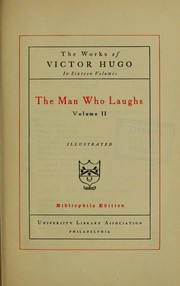 Victor Hugo · 1869The Man Who LaughsLvl 6Medium pace
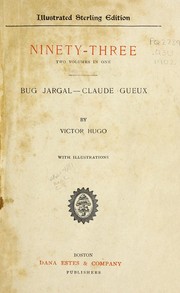 Victor Hugo · 1874Ninety-ThreeLvl 5Medium pace
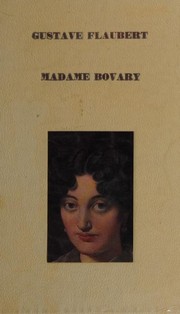 Gustave Flaubert · 1857Madame BovaryLvl 5Slow burn