
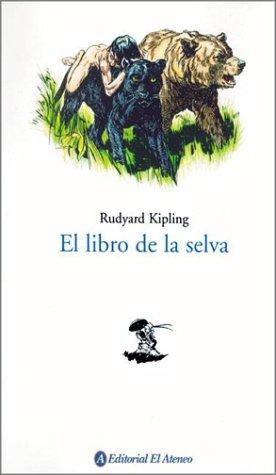
The Jungle Book
Rudyard Kipling · 1865–1936 · England
Why it matters
Mowgli, raised by wolves, learns the Law of the Jungle from Baloo and Bagheera in linked animal fables that double as a parable of order, exile, and belonging. Kipling's most enduring invention, still shaping how English tells stories about animals.
At a glance
Simple fable prose, though the jungle hierarchy carries real allegorical weight.
Deep dive
Wolf-pack law, a mongoose's private war on two cobras, and a boy who belongs fully to neither the jungle nor the village that fears him, bound by one recurring question: what law actually holds a society together.
Written for readers who have finished the book. No plot recap, and nothing here is safe to read first.
Themes & symbolism
Only three of the book's seven stories belong to Mowgli, and Kipling interleaves his wolf-pack upbringing with entirely separate societies bound by their own codes: Rikki-Tikki-Tavi's one-mongoose war against the cobras Nag and Nagaina defending an English family's garden, Kotick the white seal's decades-long search for a beach where hunters can never land, Toomai's night spent watching wild elephants dance in a jungle clearing no human has ever been allowed to see. Read side by side, the separate tales argue that the Mowgli material isn't really about a boy raised by wolves so much as about what any society, wolf pack, seal colony, elephant herd, needs from its members to survive, and what it does to the ones who won't or can't fit its law.
The Law itself gets stated outright, in verse written to be quoted rather than paraphrased: 'Now this is the Law of the Jungle, as old and as true as the sky,' a code of hunting restraint, territorial right, and mutual obligation the wolves obey without needing to be told twice. Kipling sets that discipline against the human village's version of order, which turns out far less reliable: when Mowgli kills the tiger Shere Khan with a stampeding buffalo herd, the villagers call him a sorcerer and drive out his adoptive mother Messua as a witch for having raised him, a mob response the wolves, bound by an actual law, would never produce. Mowgli leaves the village behind for the pack that has an actual code, even a harsh one, over a village that has only its own fear.
Rikki-Tikki-Tavi's War Fought Entirely Off the Record
Adopted as a house pet after a flood washes him half-drowned into an English family's garden, Rikki-Tikki wages and wins a two-front war against Nag and Nagaina without the family who feeds him ever understanding how close their son Teddy came to death. Kipling stages the mongoose's raid on the cobras' unhatched eggs, smashed underfoot one at a time while Nagaina counts them aloud and begs for the last, as the single most physically graphic violence in the book, more so than anything Mowgli does, precisely because it happens entirely outside human notice.
Her Majesty's Servants and an Army That Explains Itself
The closing story drops Mowgli and the animal societies both, staging an overheard conversation among the mules, camels, elephants, and horses of an Indian Army baggage train the night before a parade, each animal explaining its training and its place in the column's hierarchy to a bewildered new recruit. Kipling frames the exchange as something a native muleteer overhears and mistakes for sorcery, then closes the book on an English officer's flat verdict that obedience all the way up and down the chain is what wins wars, the one moment where the Law of the Jungle gets translated directly into imperial doctrine.
Where to go next
 Rudyard Kipling · 1888Plain Tales from the HillsLvl 5Fast paced
 Rudyard Kipling · 1897Captains CourageousLvl 4Fast paced
 Rudyard Kipling · 1901KimLvl 5Fast paced
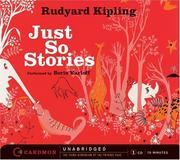 Rudyard Kipling · 1902Just So StoriesLvl 2Fast paced
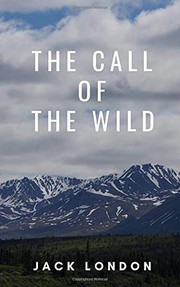 Jack London · 1903The Call of the WildLvl 2Fast paced
 Thomas Hardy · 1891Tess of the d'UrbervillesLvl 4Medium pace