
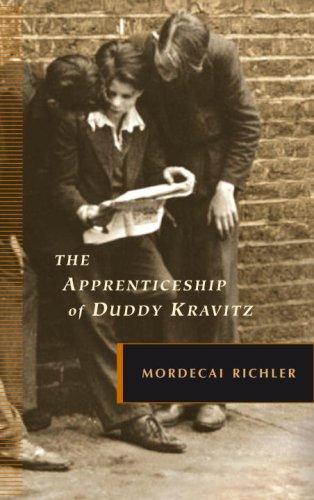
The Apprenticeship of Duddy Kravitz
Mordecai Richler · 1931–2001 · Canada
Why it matters
A scheming, driven young man claws his way out of Montreal's St. Urbain Street Jewish ghetto by any means necessary. Satirical, affectionate, and unsparing toward the hunger for success it depicts.
At a glance
Fast, comic, plot-driven prose.
Deep dive
What a Montreal grandfather's old proverb about land and self-worth does to a fifteen-year-old willing to spend every friendship he has trying to make it true.
Written for readers who have finished the book. No plot recap, and nothing here is safe to read first.
Themes & symbolism
Duddy Kravitz grows up on St. Urbain Street hearing his grandfather Simcha's proverb that a man without land is nobody, and Richler builds the whole novel as a literal-minded, teenage misreading of that inheritance: land, to Duddy, means acreage around a lake in the Laurentians, and he sets out to buy it parcel by parcel through a summer-camp cigarette racket, black-market scheming, and a bar-mitzvah film he hires a blacklisted, drunk English director named Peter John Friar to shoot, a home movie that ends up an avant-garde catastrophe involving flamingos and a bar mitzvah boy dressed as a Roman senator. Richler keeps the comedy moving fast enough that a reader is laughing at Duddy's hustles well before noticing how much damage each one leaves behind it.
That damage lands hardest on Virgil, an epileptic friend Duddy hires to drive his cigarette route and keeps sending out even after a seizure puts the truck in a ditch and Virgil in a wheelchair. Duddy visits, apologizes, means it, and then forges Virgil's signature on a loan against Virgil's own savings to close on the last parcel of land he needs, an act the novel refuses to let a reader forgive on Duddy's behalf even as it keeps supplying reasons to understand him: a father who prizes his brother the doctor over him, and a grandfather's love that reads, to a child, as a debt to be settled rather than a gift.
Uncle Benjy's Letter as the Novel's Verdict
Duddy's dying uncle Benjy, the family's wealthiest and most disappointed member, leaves behind a letter that judges Duddy directly, warning that a small ugliness allowed to grow in a child becomes a large one in a man, and Richler positions it as the closest thing the novel offers to an outside moral reckoning, since Duddy never reads it changed. The letter doesn't quite redeem Benjy either: his own coldness toward Duddy as a boy is part of what the novel holds responsible for the hunger it now condemns.
The last seal: what actually happens, and why it lands the way it does.
The ending, explained
Duddy closes the last purchase and drives his family out to see the land, certain the acreage finally proves Simcha's proverb right and settles every debt he owes his own ambition. His father calls him a real Kravitz, the highest praise the family has, oblivious to what the compliment cost. Yvette, the lawyer who helped him buy the land and has just watched him forge Virgil's name, tells him flatly that he's a real gentleman, a line Duddy hears as confirmation rather than the verdict it plainly is; he repeats his grandfather's saying to himself, delighted, missing the irony completely. Richler ends on Duddy alone with what he wanted, land standing in for a self-worth he still doesn't have, and the friends and family who might have supplied the real thing already gone.
Where to go next
 Sinclair Lewis · 1922BabbittLvl 5Medium pace
 Muriel Spark · 1961The Prime of Miss Jean BrodieLvl 4Fast paced
 Harper Lee · 1960To Kill a MockingbirdLvl 3Fast paced
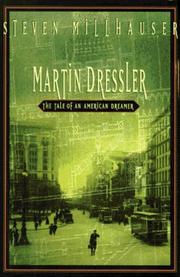 Steven Millhauser · 1996Martin Dressler: The Tale of an American DreamerLvl 5Medium pace
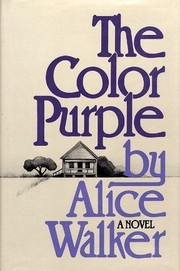 Alice Walker · 1982The Color PurpleLvl 5Fast paced
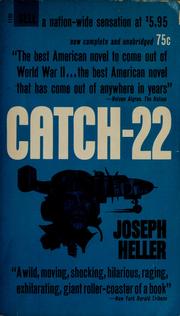 Joseph Heller · 1961Catch-22Lvl 6Medium pace