
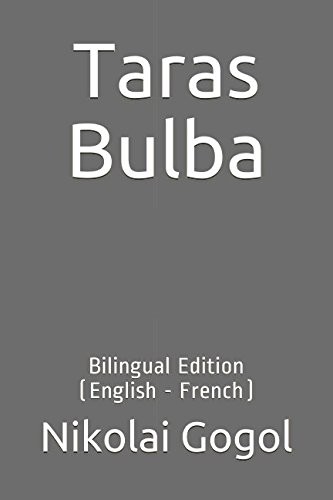
Taras Bulba
Nikolai Gogol · 1809–1852 · Ukraine / Russia
Originally Taras Bulba (Russian)
Why it matters
An old Cossack chieftain rides to war against the Poles with his two grown sons, whose loyalties are about to be tested by love, pride, and the Cossack code itself. Gogol's one historical epic trades his usual irony for full-throated saga, blood loyalty answered in blood.
At a glance
A straightforward battlefield narrative with clear stakes, lightened only by occasional lyrical digression.
Deep dive
An old Cossack chieftain brings his two sons to war to make men of them, and discovers that the loyalties he raised them on can split a family as violently as they can any battlefield.
Written for readers who have finished the book. No plot recap, and nothing here is safe to read first.
Themes & symbolism
Gogol builds the novel around a code Taras Bulba has never questioned: that Cossack brotherhood and the Orthodox cause against Catholic Poland outrank every other loyalty a man can have, including the ones owed to his own family. He drags his sons Ostap and Andriy straight from the seminary to the Zaporizhian Sich to prove it, and for most of the book the code holds, tested by feasting, raiding, and the long siege of the Polish-held town of Dubno without ever seeming negotiable.
Andriy breaks it first, falling for a Polish noblewoman he'd glimpsed once in Kyiv and, starving alongside the besieged town, smuggling her food before defecting outright to fight against his own former comrades for her sake. Gogol treats the betrayal with genuine tenderness toward Andriy's feeling even while building the entire novel's moral architecture against it: love that crosses the code's boundary line isn't just a lapse in loyalty here, it's rendered as a kind of self-erasure, a son choosing to stop being a Cossack in the most literal sense available, on the opposing side of the same battle his father is fighting.
Gogol's One Departure Into Epic
Taras Bulba stands apart from the rest of Gogol's work, which runs almost entirely through irony, absurdity, and the deflating comedy of Petersburg bureaucrats and provincial fools. Here Gogol writes without any of that distance, in the register of full, unembarrassed heroic saga, closer to a folk epic than to the darkly comic mode that made his reputation everywhere else. The novel exists in two substantially different versions, an 1835 original and a longer, more nationalistically charged 1842 revision, and the differences between them have made Taras Bulba a recurring flashpoint in later arguments over how Gogol, a Ukrainian-born writer working in Russian, should be claimed by either national tradition.
The last seal: what actually happens, and why it lands the way it does.
The ending, explained
Taras kills Andriy himself on the battlefield rather than let his son's betrayal stand, a killing the novel frames as the code demanding its full price rather than as personal cruelty. Ostap is captured and publicly tortured to death in Warsaw, and Taras, watching in secret from the crowd, hears his son's final cry for him and answers it aloud, risking his own capture to make sure Ostap knows he wasn't alone at the end. Consumed afterward by a private war of vengeance against the Poles, Taras is eventually captured and burned alive at the stake, and his last act, even as the fire takes him, is shouting directions to help his remaining men escape down the river. Gogol closes the saga on loyalty outliving the man who embodied it: Taras dies still performing the one loyalty that never wavered, to his men, in the same breath that the loyalty he punished his own son for breaking finally kills him too.
Where to go next
 Nikolai Gogol · 1835Diary of a MadmanLvl 4Medium pace
 Nikolai Gogol · 1836The NoseLvl 3Fast paced
 Nikolai Gogol · 1836The Government InspectorLvl 3Fast paced
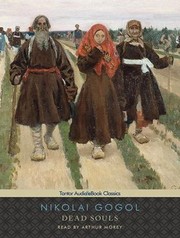 Nikolai Gogol · 1842Dead SoulsLvl 5Medium pace
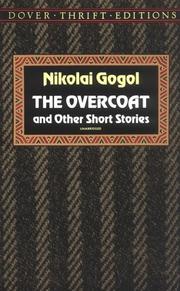 Nikolai Gogol · 1842The OvercoatLvl 3Medium pace
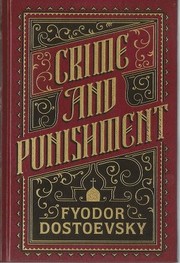 Fyodor Dostoevsky · 1866Crime and PunishmentLvl 6Fast paced