
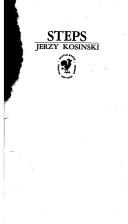
Steps
Jerzy Kosiński · 1933–1991 · Poland / USA
Why it matters
A nameless narrator's fragmented, often cruel episodes of sex, power, and violence resist connecting into any single coherent life story. Kosiński's National Book Award-winning novel pushes the moral coldness of The Painted Bird into pure, unmoored fragmentation.
At a glance
Disconnected, unnamed vignettes withhold any continuous plot or character grounding.
Deep dive
A sequence of numbered, disconnected episodes of sex, cruelty, and quiet domination, arranged so that the reader, not the narrator, has to decide what any of it means.
Written for readers who have finished the book. No plot recap, and nothing here is safe to read first.
Themes & symbolism
Steps abandons the continuous narrator Kosiński used in The Painted Bird for a run of numbered fragments, most a page or two long, following an unnamed man through a string of encounters in which he holds some advantage, financial, physical, or simply the advantage of being the one telling the story, over someone with less power than he has: a starving woman he trades food for sex, a disabled man he manipulates for sport, a peasant girl seduced and abandoned without a flicker of guilt registered on the page. Kosiński writes every episode in the same flat, procedural tone he uses for everything else, refusing the reader any signal, irony, remorse, or authorial distance, that would tell them how to feel about what they just read.
Threaded between the numbered episodes are short, italicized dialogues between two unnamed lovers, terse exchanges that read at first like tenderness and, held up against the surrounding cruelty, start to look like their own quieter version of the same appetite for control. The novel supplies no chronology and no throughline linking one episode's narrator to the next with certainty, so that Steps ultimately asks a blunter question than most novels about power: not why people dominate each other, which it never bothers to explain, but what it does to a reader to be shown so much of it without a single moral handhold offered.
Beating Slaughterhouse-Five for the National Book Award
Steps won the 1969 National Book Award for Fiction over a shortlist that included Kurt Vonnegut's Slaughterhouse-Five, a decision that struck many contemporary critics as bizarre and still gets cited as one of the prize's more contested calls. Where Vonnegut answered atrocity with dark comedy and a resigned refrain, Kosiński answered it with total affectlessness, a style some judges read as the more serious, unflinching achievement and others simply found cold. The controversy previewed the far larger one that would eventually consume Kosiński's own reputation.
The Question of Whose Hand Wrote It
In 1982 the Village Voice published a lengthy investigation alleging that Kosiński's English was too limited to have produced his novels' prose unassisted, and that editors and translators had done far more of the actual writing than he credited, a charge Kosiński denied but never fully dispelled before his death by suicide in 1991. The controversy complicates any reading of Steps as unmediated confession: a book built entirely out of a single, consistent, ice-cold narrating voice turns out to have had more than one hand behind it, which is either an irony the book invites or a fact that has nothing to do with whether the writing works.
Where to go next
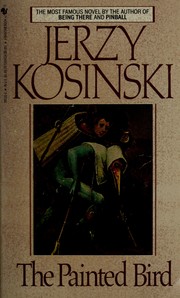 Jerzy Kosiński · 1965The Painted BirdLvl 5Fast paced
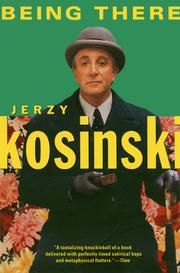 Jerzy Kosiński · 1970Being ThereLvl 3Fast paced
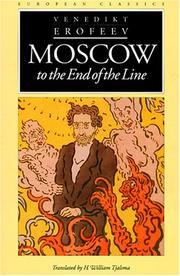 Venedikt Yerofeev · 1970Moscow-PetushkiLvl 7Fast paced
 Aleksandr Solzhenitsyn · 1962One Day in the Life of Ivan DenisovichLvl 3Fast paced
 Ismail Kadare · 1963The General of the Dead ArmyLvl 5Medium pace
 Witold Gombrowicz · 1937FerdydurkeLvl 7Fast paced