

Srikanta
Sarat Chandra Chattopadhyay · 1876–1938 · India (Bengal)
Originally Srikanta (Bengali)
Why it matters
A restless wanderer drifts through riverboats, opium dens, and doomed loves across four loosely linked volumes, narrating his own moral education without ever settling down. Sarat Chandra's most autobiographical and most critically esteemed novel.
At a glance
A sprawling, episodic structure across four volumes resists any single unifying plot.
Deep dive
A restless man narrates his own refusal to ever settle down, and the one relationship, with a woman society won't let him marry, that keeps pulling him back no matter how far he wanders.
Written for readers who have finished the book. No plot recap, and nothing here is safe to read first.
Themes & symbolism
Srikanta narrates his own life as a series of departures rather than a single arc toward settling down, and the restlessness starts young: his childhood friend Indranath, fearless and contemptuous of every convention the respectable world expects a Brahmin boy to follow, teaches Srikanta that a life spent avoiding risk isn't actually a life worth admiring, a lesson Srikanta spends the rest of the novel unable to unlearn even as it costs him every chance at a stable, respectable place in Bengali society.
Rajlakshmi, whom Srikanta knew as a girl named Pyari before she became a wealthy, celebrated courtesan, is the one attachment his wandering keeps circling back to, and Sarat Chandra treats her with a moral seriousness the period's fiction rarely extended to women in her profession: she is generous, self-possessed, and devoted to Srikanta in ways his own social respectability makes him unable to fully reciprocate, since marrying her is never actually available to him no matter how much he loves her. The novel refuses to punish her for what she is or reward Srikanta for what he almost does, letting their bond stay exactly as unresolved as the social order that produced it.
A Narrator Who Keeps Choosing the Margins
Across the novel's several parts, published over more than a decade, Srikanta drifts toward ascetics, outcasts, gamblers, and other figures respectable Bengali society has already written off, and Sarat Chandra uses his narrator's consistent preference for these margins over the professional, married life available to him as the novel's real argument: conventional respectability, in Srikanta's account, has never once looked as alive as the people it excludes.
A Courtesan the Novel Refuses to Moralize
Rajlakshmi's wealth and independence, unusual for a woman in her position, let Sarat Chandra write her scenes with Srikanta on something close to equal footing, and the novel's refusal to resolve their relationship into either a redemptive marriage or a cautionary tragedy was itself a quiet challenge to readers who expected Bengali fiction to sort its courtesans into one column or the other.
Where to go next
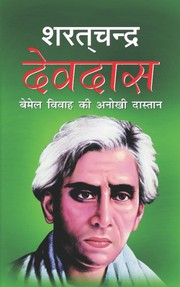 Sarat Chandra Chattopadhyay · 1917DevdasLvl 2Fast paced
 Rabindranath Tagore · 1916The Home and the WorldLvl 6Medium pace
 Bankim Chandra Chattopadhyay · 1882AnandamathLvl 5Medium pace
 Thomas Hardy · 1891Tess of the d'UrbervillesLvl 4Medium pace
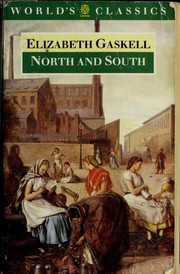 Elizabeth Gaskell · 1855North and SouthLvl 4Medium pace
 Emily Brontë · 1847Wuthering HeightsLvl 6Medium pace