
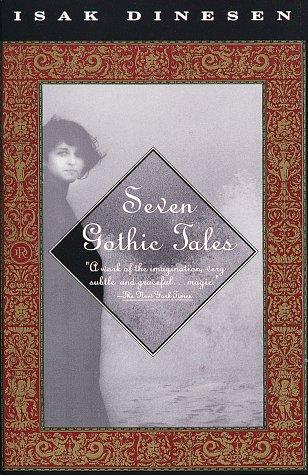
Seven Gothic Tales
Isak Dinesen (Karen Blixen) · 1885–1962 · Denmark
Why it matters
Seven ornate, aristocratic fables of masquerade, fate, and desire, told in a voice deliberately out of step with modernist fashion. Dinesen's debut announced a stylist unlike anyone else writing in English.
At a glance
Ornate, archaic diction deliberately at odds with plain modernist style.
Deep dive
Aristocrats and servants trade nested stories while waiting out a flood, a shipwreck, and a night in a ruined convent, in a book written in English by a Dane and published in America before her own country read a word of it.
Written for readers who have finished the book. No plot recap, and nothing here is safe to read first.
Themes & symbolism
Karen Blixen published these seven tales in 1934 as Isak Dinesen, a genderless pen name that let American readers meet the book with no prior claim on who she was, and the stories reward that anonymity by refusing to settle who is actually speaking. Each tale nests at least one more inside it, a frame narrator held in place by weather, ruin, or circumstance and made to fill the wait with a story that doubles, by the end, as a confession. 'The Deluge at Norderney' traps a cardinal, an old noblewoman, a peasant girl, and a young man in a hayloft as floodwater rises around an eighteenth-century Frisian island, with no rescue guaranteed by morning, and lets them tell each other stories through what might be their last hours, only for the cardinal to admit partway through that he is his own valet, Kasparson, who traded places with his dying master and has been performing the role, convincingly, for months.
'The Dreamers,' nested three tellers deep inside a story told aboard a dhow on the Red Sea, follows Pellegrina Leoni, once Europe's greatest opera soprano, who loses her voice permanently in a Milan theater fire and afterward refuses to remain any single person again, reinventing herself under a new name, in a new city, with a new lover, every time an old identity threatens to catch up with her. Three of the men who loved her different selves end up in the same room recognizing each other's stories as pieces of the same woman before any of them realizes it, and Dinesen uses her, an artist who survives the loss of her one talent by multiplying her own identity rather than mourning it, as the clearest statement of what the whole collection keeps testing: that a self, like a story, can be worn, discarded, and put back on.
A Hayloft That May or May Not Be Rescued
Dinesen never confirms whether the four people in the Norderney hayloft survive the night; the story ends still waiting, mid-confession, with the water not yet at the rafters and no boat yet in sight, so that Kasparson's impersonation becomes the only event the story lets itself finish. He uses his borrowed authority in these final hours not to save himself but to hear the others' confessions and grant something like an absolution he has no actual right to grant, a valet giving out the one thing his stolen title was never meant for.
Isak Dinesen: A Name With No Country Yet
Blixen wrote the manuscript in English rather than her native Danish and saw it published in New York in 1934 to immediate success, a full year before a Danish edition, translated back by Blixen herself, reached Copenhagen. The delay let her enter her own country's literary conversation already certified abroad, at a remove from the aristocratic Danish family and the failed Kenyan coffee farm the tales' antique, invented Europe never mentions.
Where to go next
 Isak Dinesen (Karen Blixen) · 1937Out of AfricaLvl 5Slow burn
 Sigrid Undset · 1920Kristin LavransdatterLvl 6Slow burn
 Johannes V. Jensen · 1922The Long JourneyLvl 6Medium pace
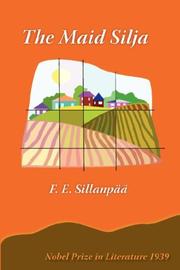 Frans Eemil Sillanpää · 1931The Maid SiljaLvl 4Medium pace
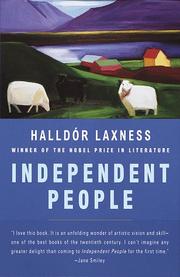 Halldór Laxness · 1934Independent PeopleLvl 6Medium pace
 Henrik Pontoppidan · 1904Lucky PerLvl 6Medium pace